
Some links on this site are affiliate links. If you make a booking through one of these links, we may earn a commission - at no extra cost to you. Our reviews and recommendations remain editorially independent.
Cape Town is one of the world’s most beautiful cities, the capital of the Western Cape and home to some of the country’s best beaches and world‑class vineyards. This Cape Town travel guide explores a vibrant, diverse city known for its natural beauty, rich history and multicultural atmosphere.
It is the second-largest city in South Africa, after Johannesburg, with around 4.9 million people calling it home. There is so much to see and explore here, including Table Mountain, Robben Island, the V&A Waterfront, Kirstenbosch Botanical Gardens, Cape Point, the Cape of Good Hope and the Cape Winelands. Cape Town also has 10 beautiful Blue Flag beaches.
V&A Waterfront
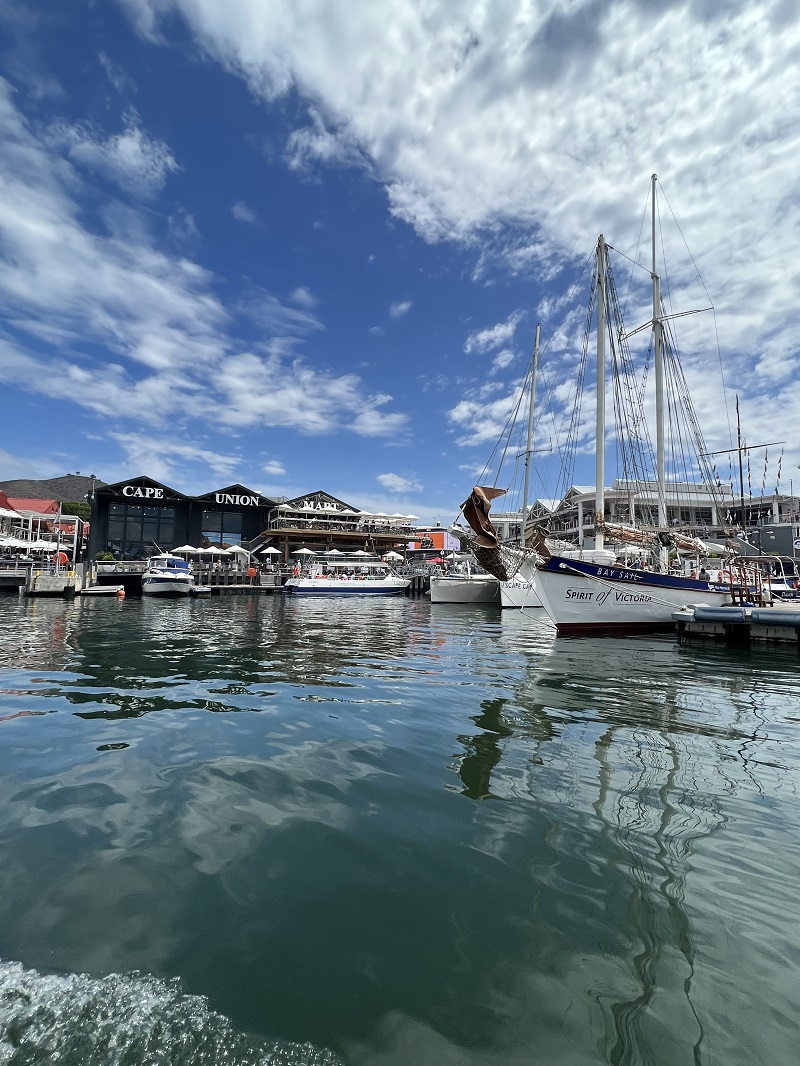
The V&A Waterfront is one of South Africa’s most visited tourist destinations. Here you will find shops, restaurants and leisure activities, including tours to Robben Island prison, where you can visit Nelson Mandela’s cell.
There is also a large aquarium, a ferris wheel, boat cruises, Zeitz Museum of contemporary art and Victoria Wharf Shopping Mall.
The Watershed, South Africa’s largest indoor craft market with over 150 stalls, is also located at the V&A.
We went on the Citysightseeing “V&A Harbour and Seal Cruise”, which departs from the jetty outside Two Oceans Aquarium. The cruise lasted 25 mins and operates every 30 mins. It was great to see the V&A from a different angle! Book tickets here.
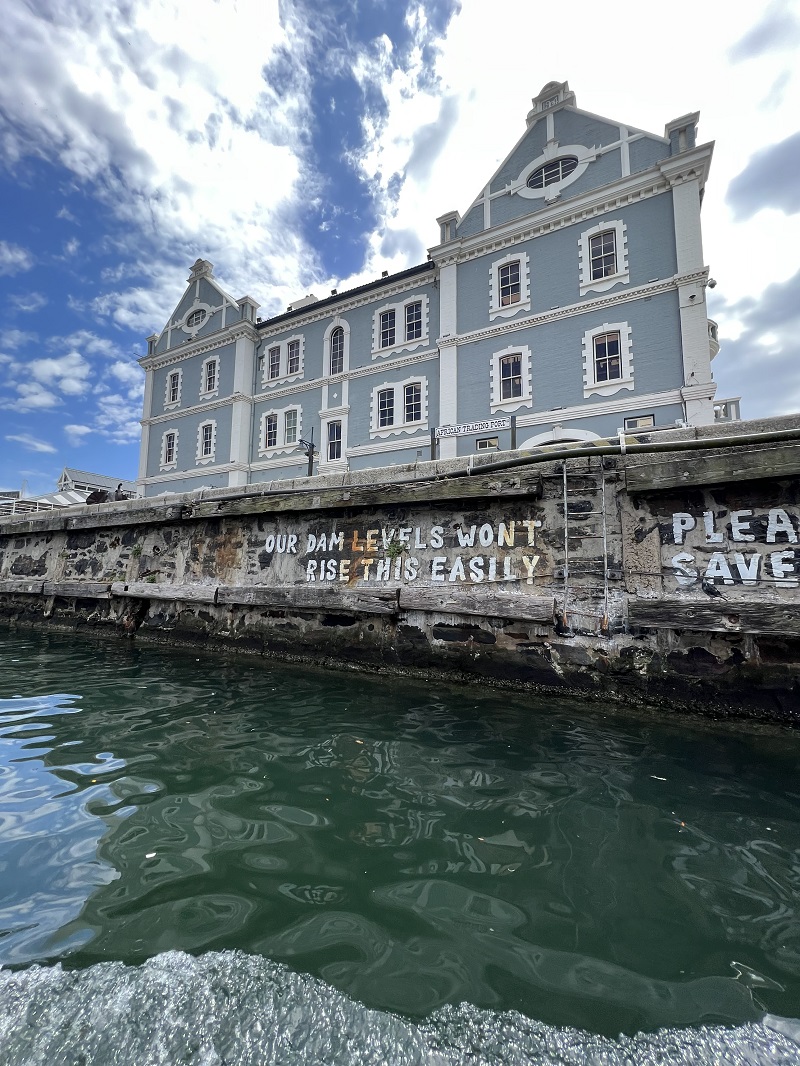
Table Mountain
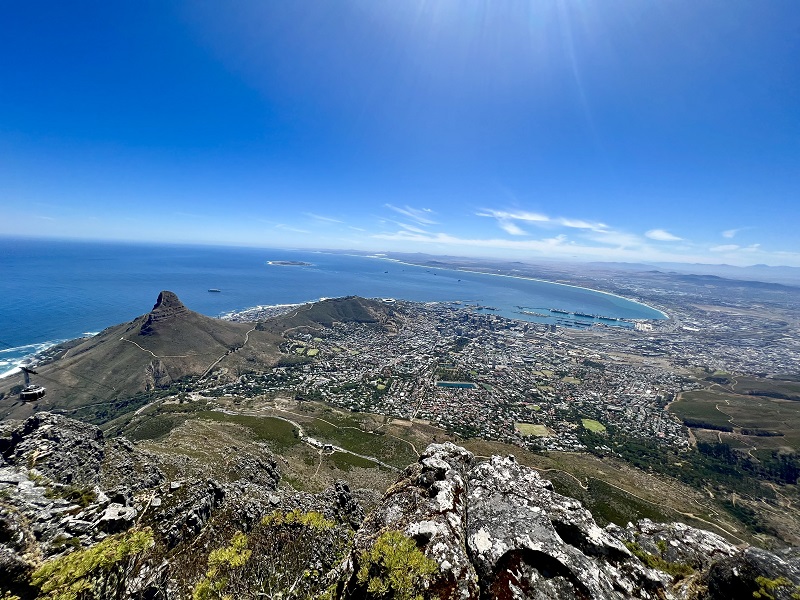
Table Mountain is Cape Town’s most famous landmark. It is a 1067m high, flat top mountain overlooking the city of Cape Town. It is often covered in a layer of clouds, which the locals call the “tablecloth”. Travel up in a small aerial cableway, that has a rotating floor with 360-degree views of Cape Town, or hike to the top. We took the cableway, which took 5 minutes each way. Return tickets cost R430 (€22) per person.
At the top, we walked around and explored the incredible views from various different viewpoints. Our advice would be to go on your first clear day, where there are no clouds for the best experience.
Booking in advance is recommended as queues can get crazy, particularly in peak season.
Clifton
Clifton is an affluent neighbourhood with four beautiful beaches, each known as Clifton 1st, 2nd, 3rd and 4th, which are naturally divided by granite boulders. On windy days, Clifton 2nd and 3rd are the best beaches to visit as they remain largely unaffected by the wind. These beaches are famous for their pristine white sands and clear blue waters.
Clifton is an exclusive residential area, and is home to some of the most expensive real estate in South Africa. All of the houses around this area are fabulous!
Camps Bay
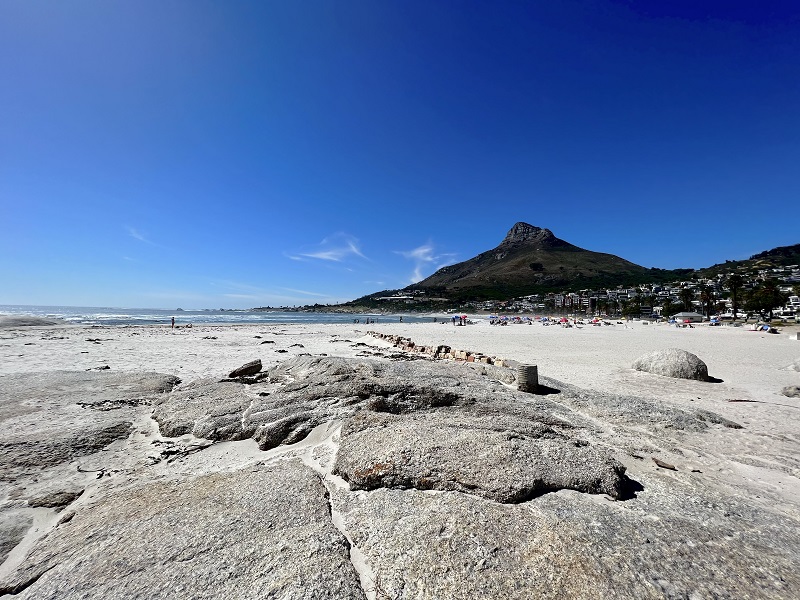
Camps Bay is one of my favourite places to go in Cape Town. This town is home to a beautiful blue flag beach. There are a large number of cafes, bars and restaurants along the waterfront with stunning views of the Twelve Apostles mountains. Camps Bay is known for its high quality seafood restaurants, including Paranga and Codfather.
We gravitated towards Camps Bay a lot during our stay as there is such a great buzz throughout the town, with plenty to see and do.
Bo-Kaap
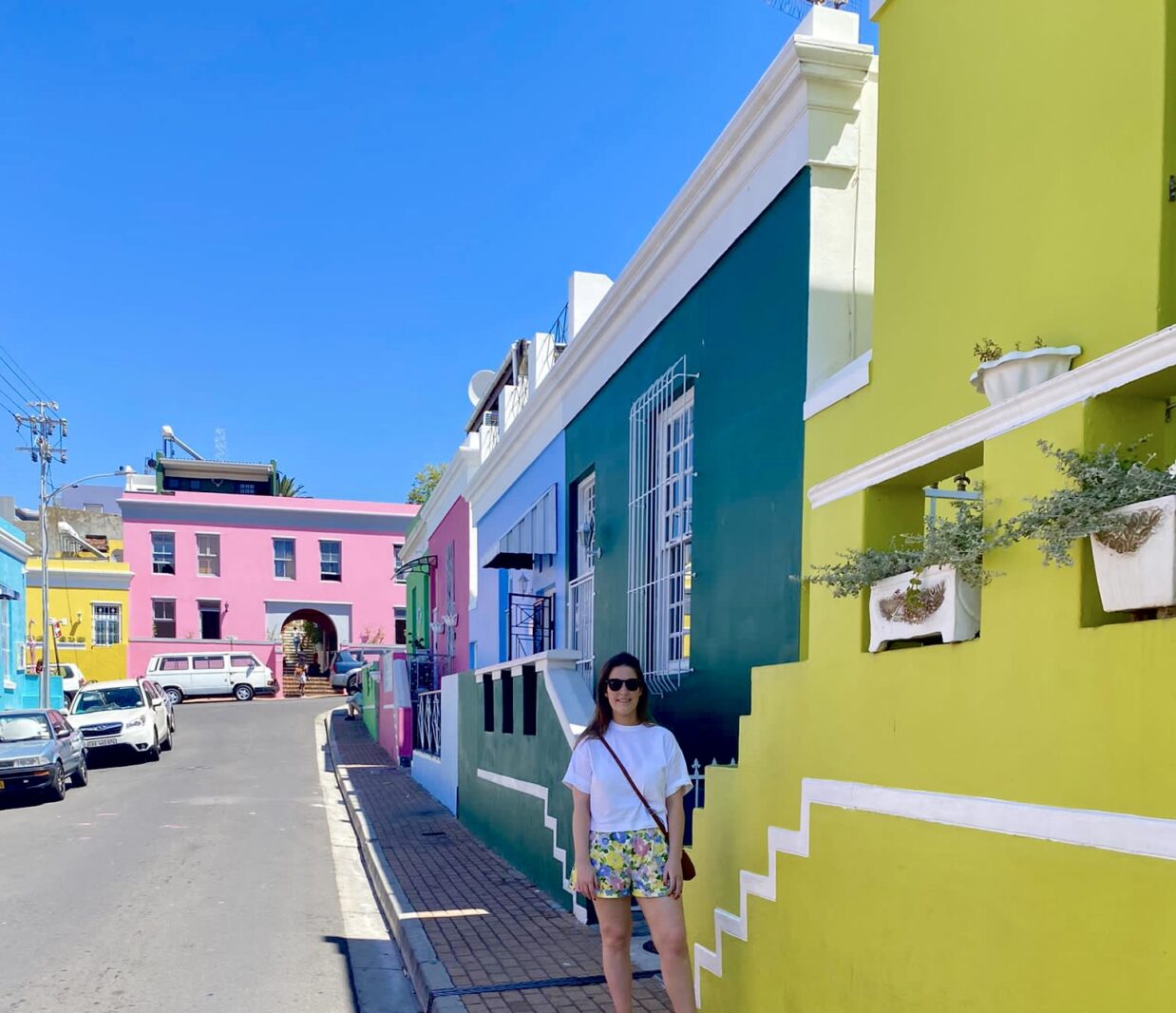
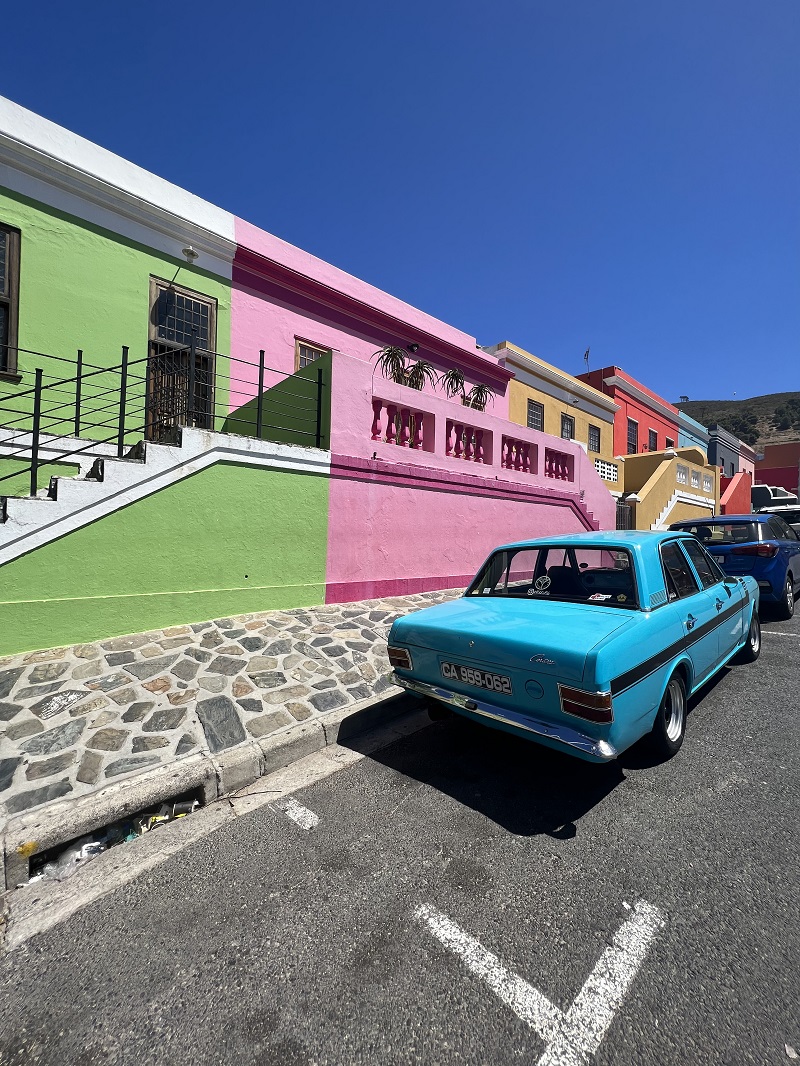
Situated on the slopes of Signal Hill, Bo-Kaap is one of the oldest residential areas in central Cape Town. Formally known as the Malay Quarter, it has been inhabited by the Cape Malays since the abolition of slavery in the 1830’s. The area was declared as an exclusively residential area for Cape Malays under the Group Areas Act of 1950, and people of other religions and ethnicity were forced to leave.
Bo-Kaap is a vibrant neighbourhood, known for its beautiful colourful houses and steep cobbled streets. It is well worth a visit. Parking can be hard to find, and the parking attendants charge R50 (€2.50).
Muizenberg Beach
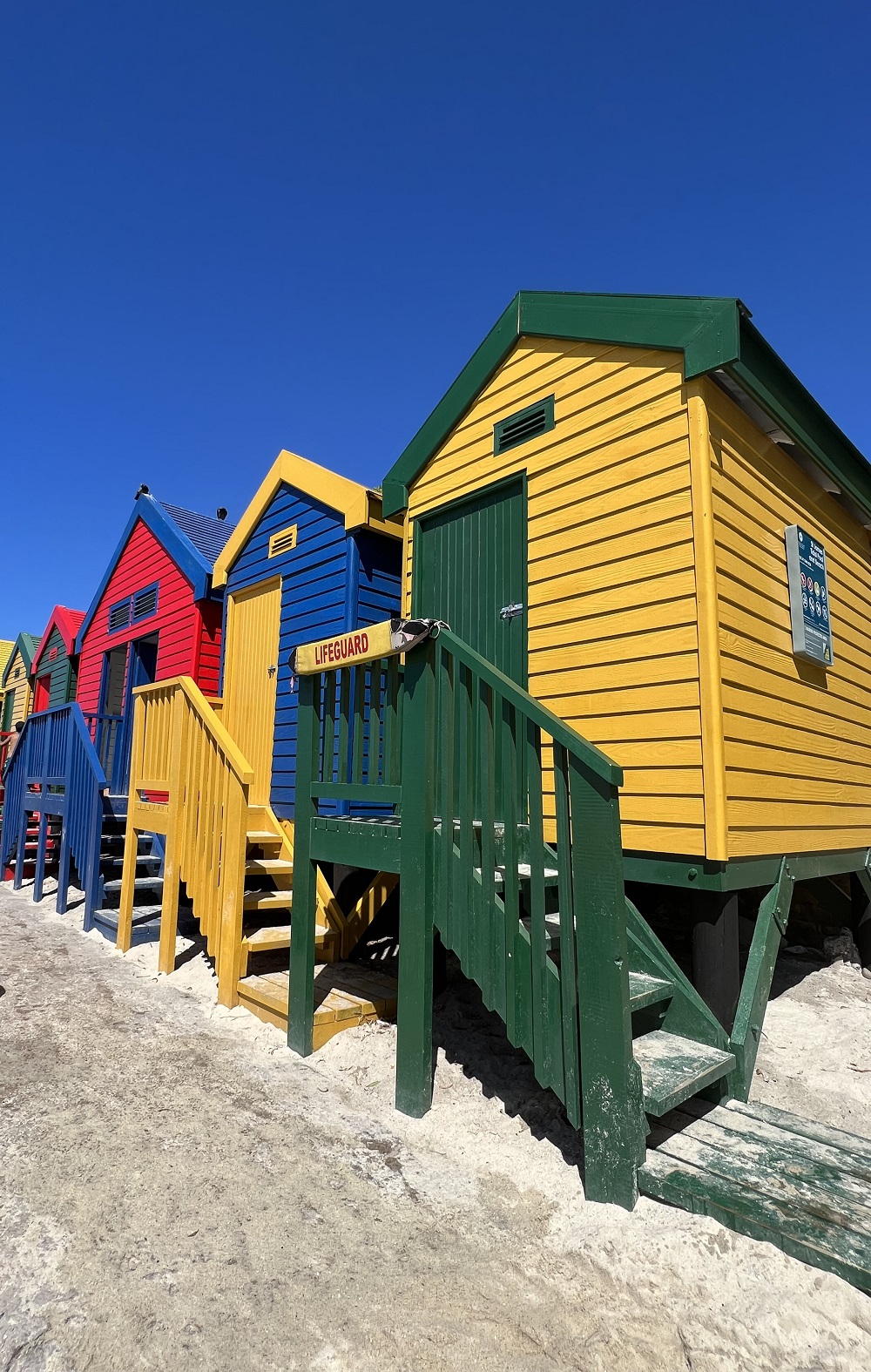
Muizenberg Beach is known for its bright coloured changing huts and excellent surfing conditions. This beach was incredibly busy when we visited, mostly with children on school tours.
There are a few coffee shops and restaurants along the beachfront. We had breakfast in Tigers Milk, and it was quite disappointing. Despite it being completely empty, the service was appalling, and the food was average at best.
Good to go to and see but there are nicer beaches to spend the day.
Chapman’s Peak Drive
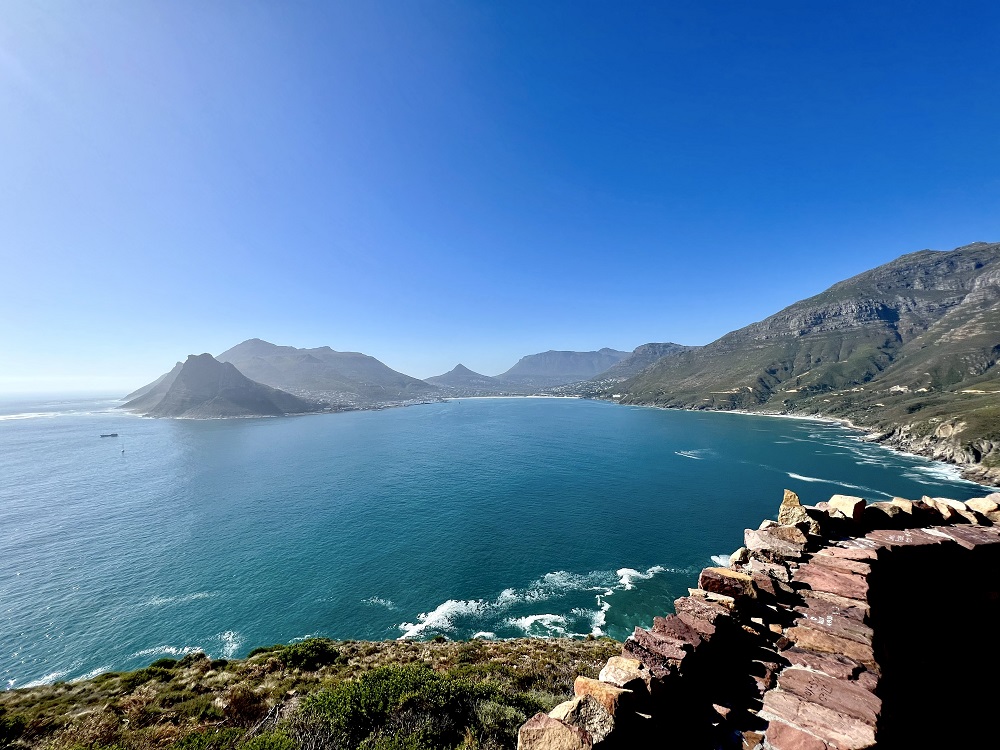
Chapman’s Peak Drive, or Chappies as it is known to the locals, is one of the most stunning routes in South Africa. The route meanders for 9km along the giant Chapman’s Peak mountains. This is a toll road and you are required to pay a toll of R52 (€2.50) to drive the route.
We stopped a couple of times at lookout points to take in the views which were breathtaking.
Simon’s Town
Simon’s Town is a coastal town located on the eastern side of the Cape Peninsula, and is home to the South African Navy’s largest base. It is a beautiful seaside town with views of False Bay and the surrounding mountains. The waterfront area is lined with shops, cafes and restaurants.
Boulders Beach Penguin Colony
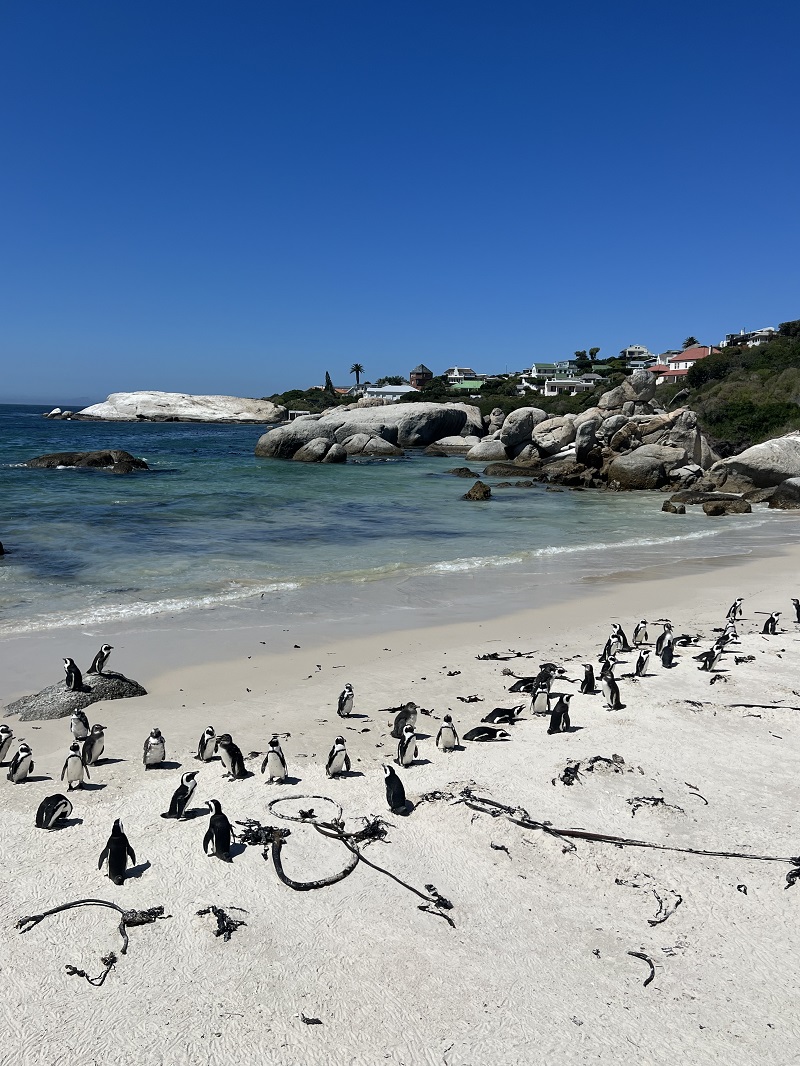
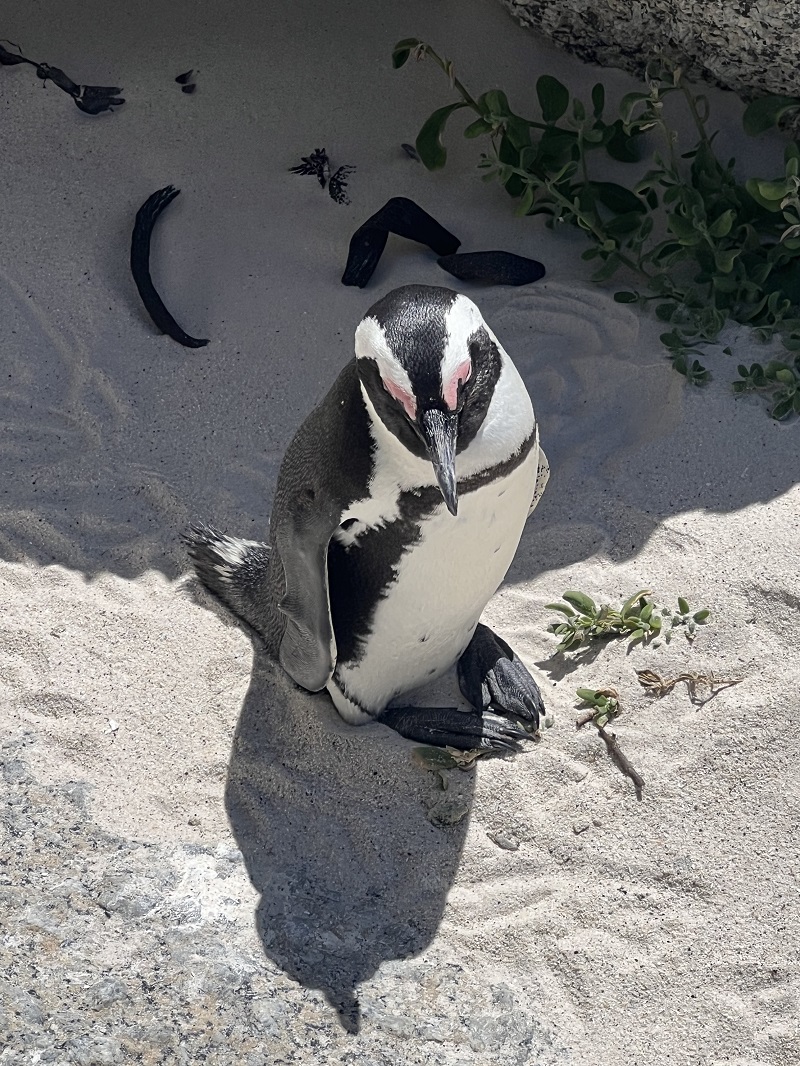
Boulders Beach is located a few kilometres to the south of Simon’s Town. This beach is known for its colony of African penguins, and is home to about 3,000 African penguins.
There is an entrance fee of R190 per person (€9.70), which goes towards ensuring the future of this endangered species. There is a boardwalk, which starts at the entrance and leads you all the way to the beach. The boardwalk ends at an observation deck overlooking the beach where you can admire and observe the penguins in their natural habitat.
This was an amazing experience and was well worth the visit.
Cape Point & Cape of Good Hope
Cape Point is home to a variety of wildlife including ostriches, baboons and a diverse range of bird species. We spotted a couple of ostriches while here!
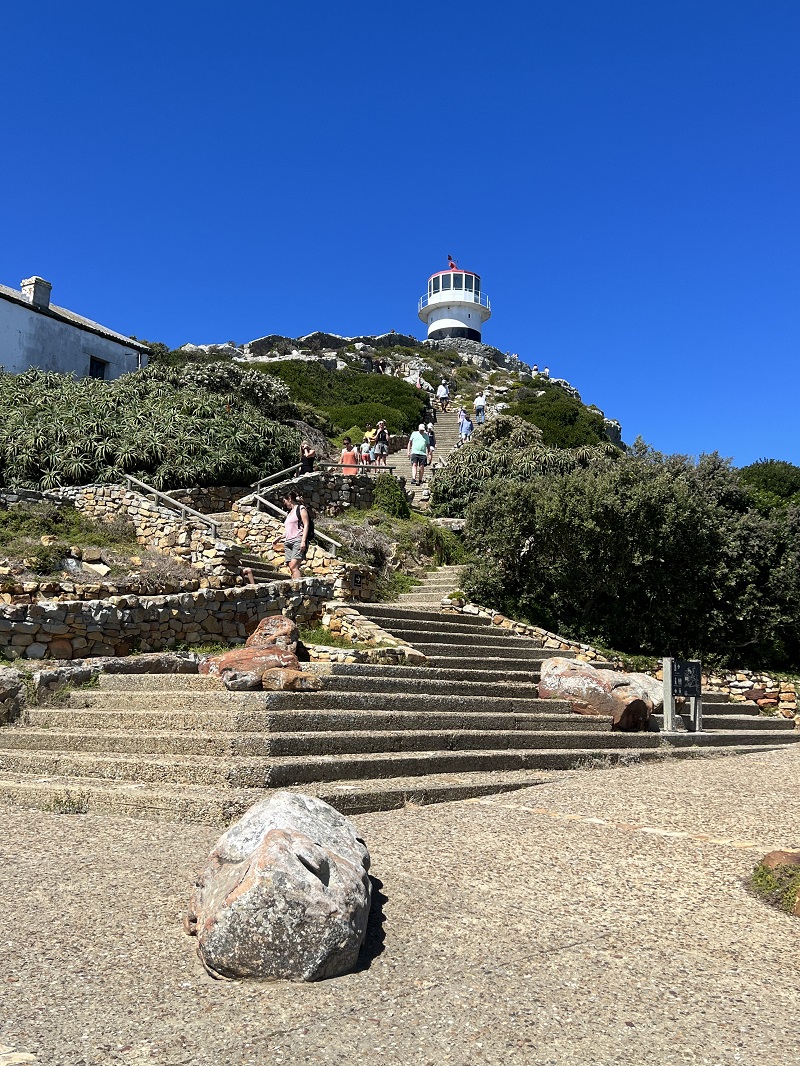
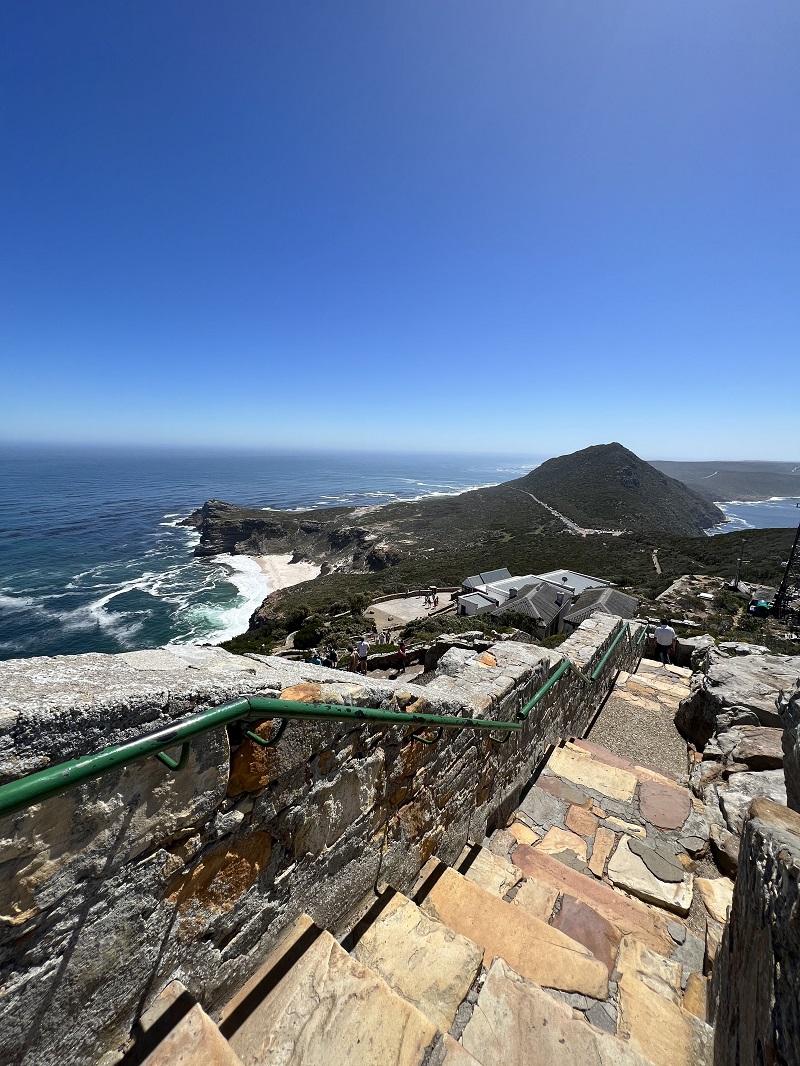
Cape Point lighthouse was built in 1859 and is South Africa’s third oldest lighthouse. This lighthouse acted as a landmark for sailors travelling along the Cape of Good Hope route. You can either walk to the top of the lighthouse or take a funicular (for a small fee). The 360 views from the top were amazing.
Cape of Good Hope is the most south-westerly point of Africa, where the Atlantic and the Indian Ocean share common grounds.
There is an entrance fee into Cape Point of R400 per person (€20). This fee includes access to all the attractions within Cape Point, including the lighthouse. the beaches and the nature trails.
Llandudno Beach
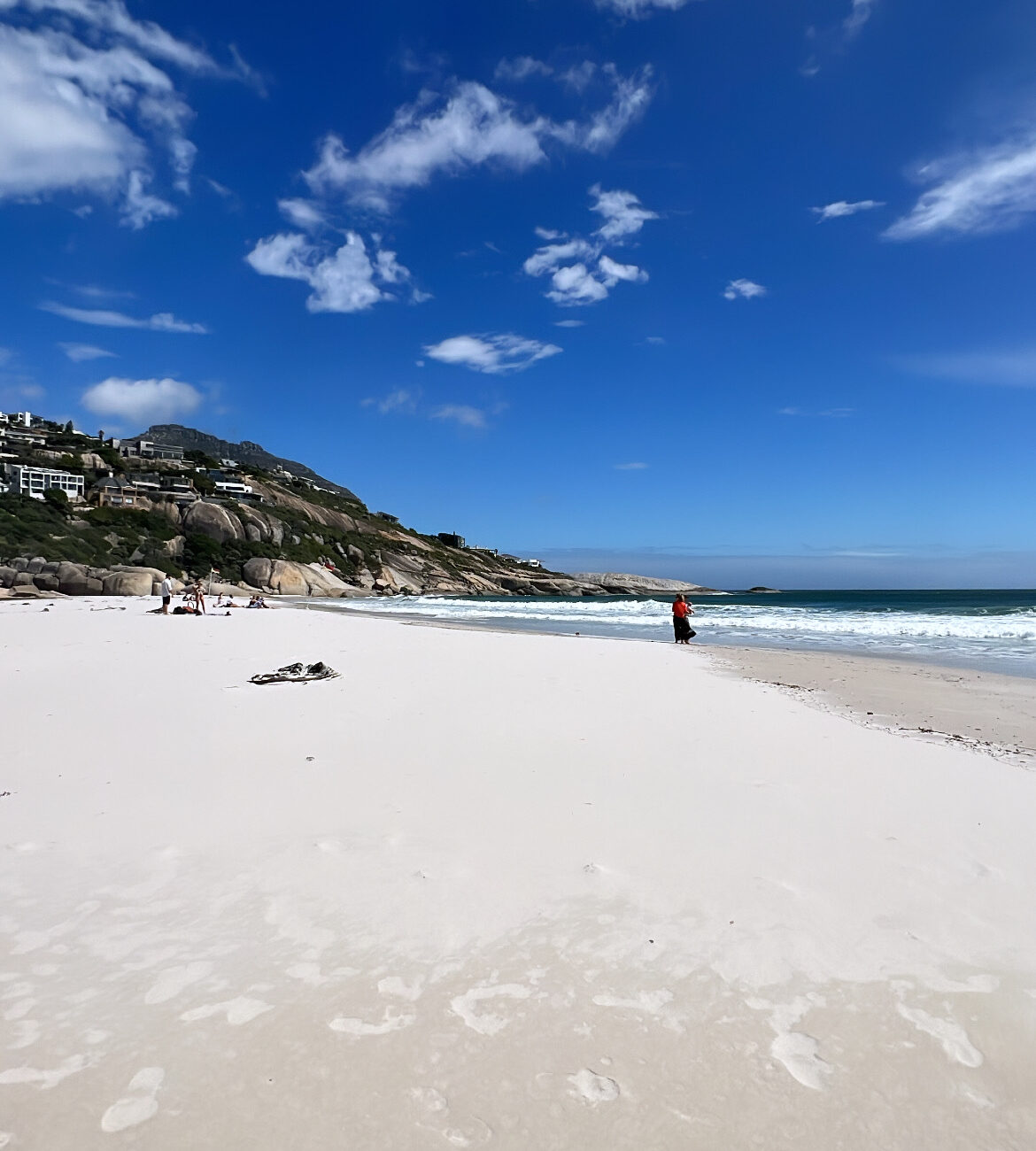
Llandudno is an upmarket residential area, with lots of fabulous houses. Llandudno beach is a beautiful, white sandy beach. It is a hidden gem, and much quieter than the rest. We enjoyed a short stroll along the beach, where it was very peaceful.
It is not the most easily accessible beach, with a steep winding road leading down to it and a small parking area.
Groot Constantia
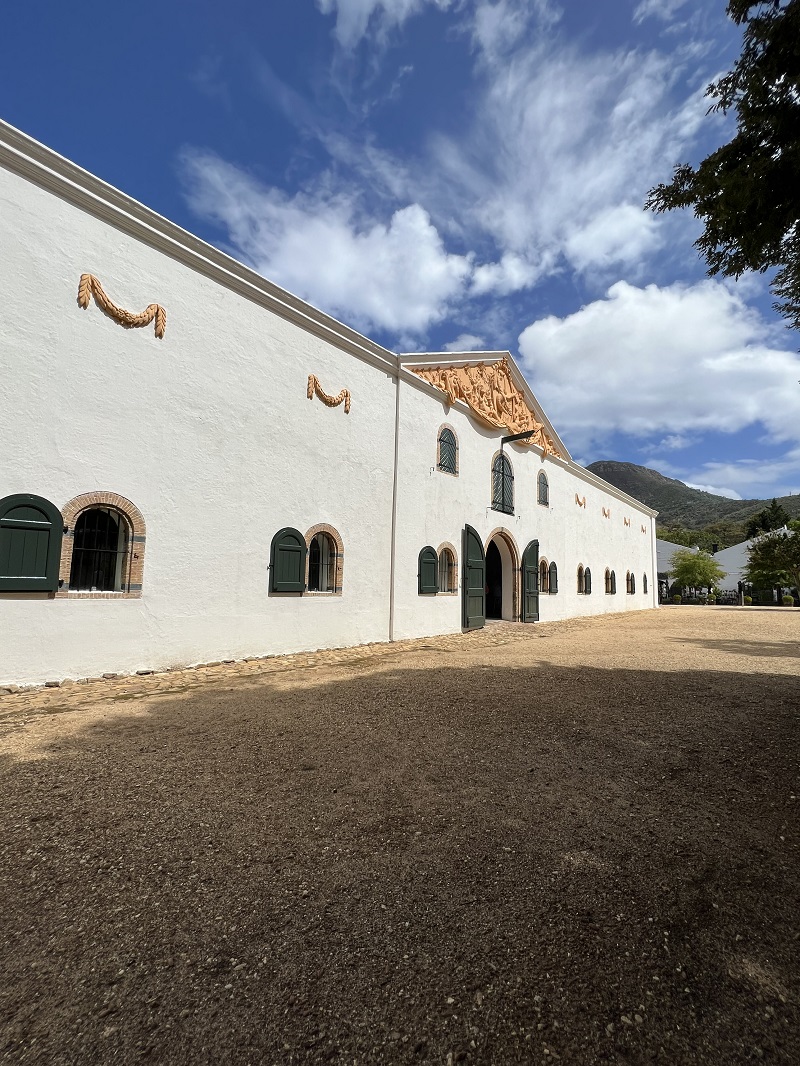
Groot Constantia is South Africa’s oldest winery, situated 10km south of central Cape Town. The estate of Groot Constantia was established in 1685. It is a stunning winery, with Cape Dutch architecture.
Groot Constantia is known for its production of high-quality red wines. The Cloete Cellar building, which was built in 1791, is the estate’s original wine cellar. This is now a wine museum and tasting room.
The buildings and grounds are beautiful and meticulously maintained. The winery is lovely to walk around with its beautiful views.
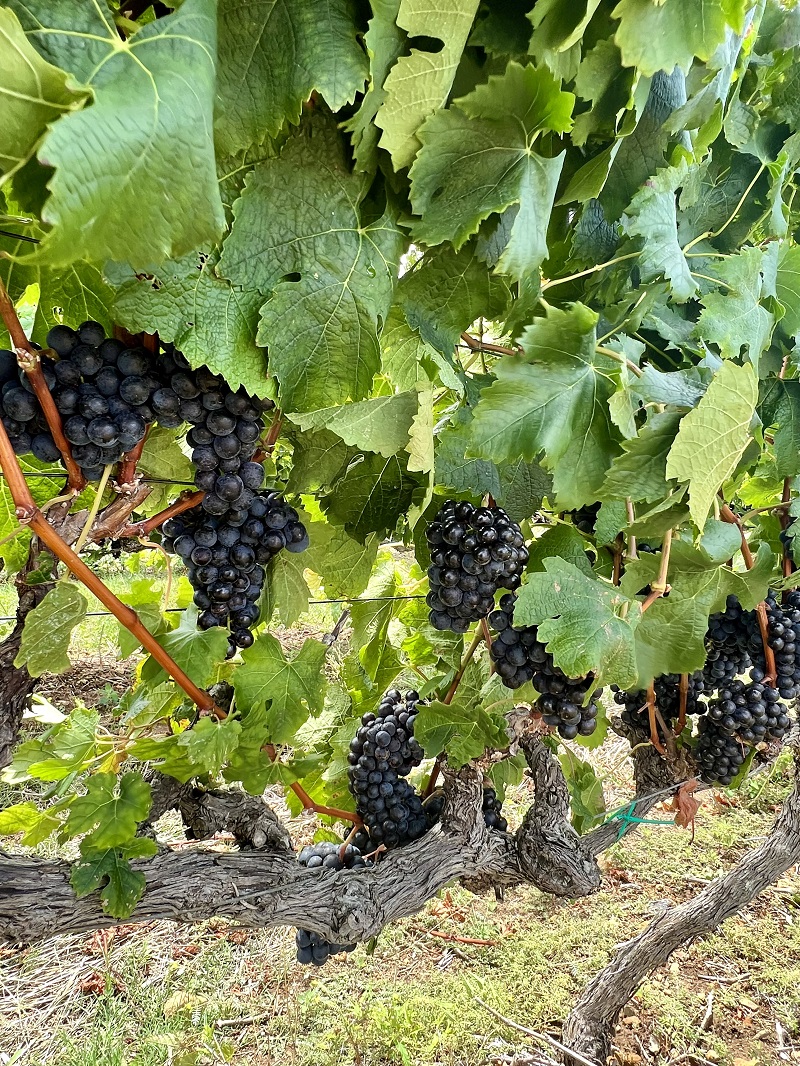
Constantia Glen
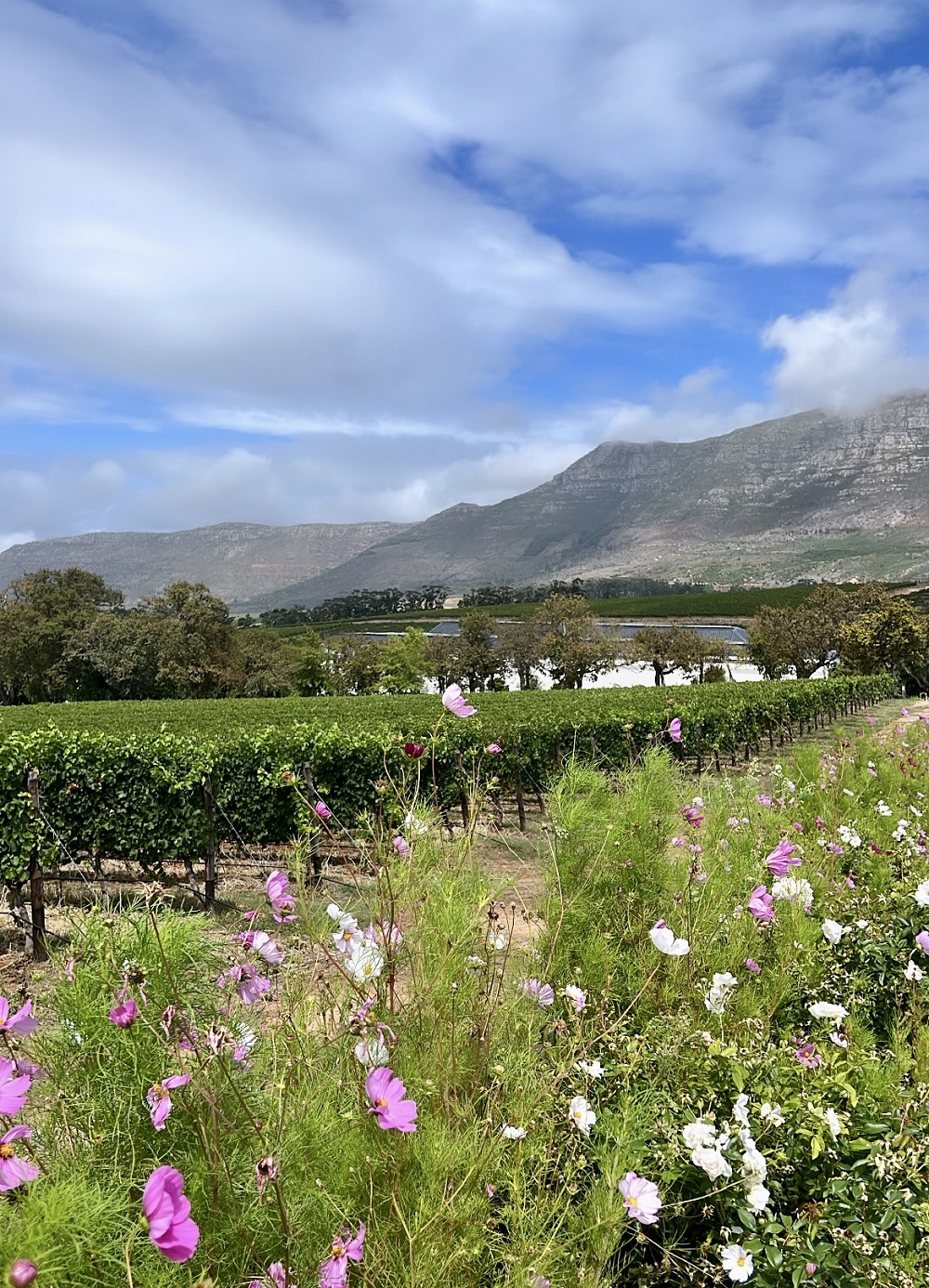
Constantia Glen is a boutique wine estate located in the Constantia Valley. It is a small vineyard, producing ultra-premium, cool climate wines.
The views from this estate are stunning. Constantia Glen is located approximately 20 mins from Cape Town City Centre, making it the perfect place to stop off for some lunch or do some wine tasting.
Steenberg Vineyards
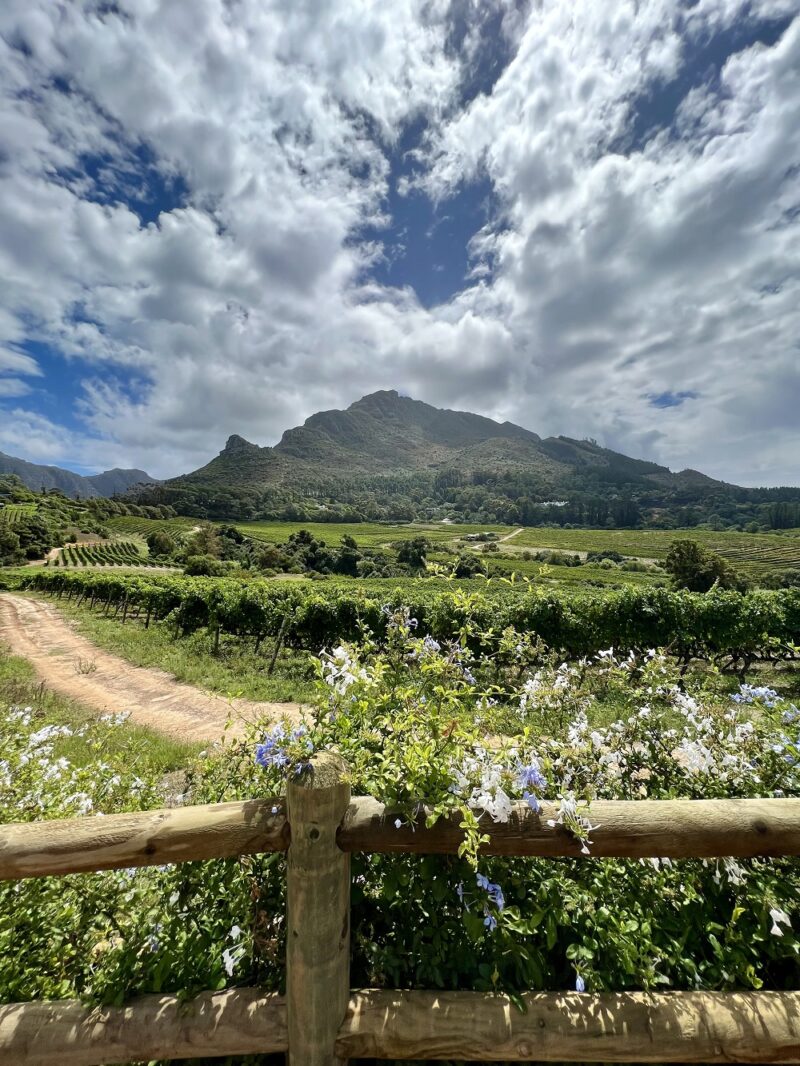
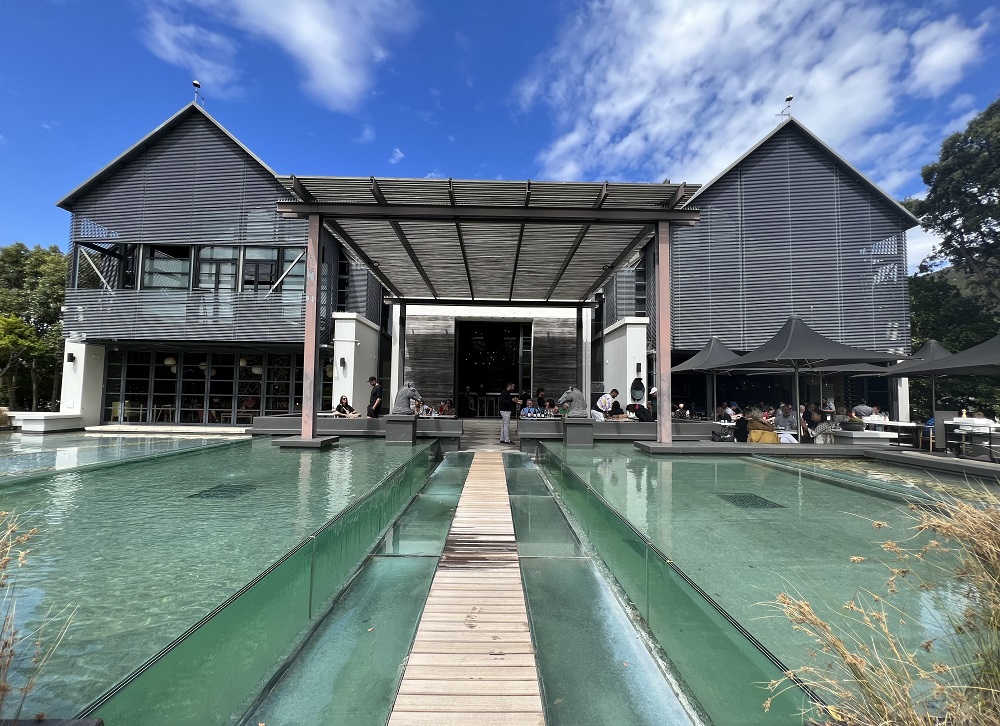
Steenburg is the Cape’s first farm, established in 1682. It is located in the Constantia Valley and is home to a beautiful 5-star hotel. The hotel is ultra-modern with beautiful grounds.
I did the Sauvingnon Blanc wine tasting at the tasting bar, which was fabulous. It cost R180 per person (€9), which was very good value for money. The wines were excellent, with generous pourings. We enjoyed learning about the different types of wines from our waiter who was very knowledgeable.
It was a great experience with beautiful surroundings.
Oranjezicht City Farm Market
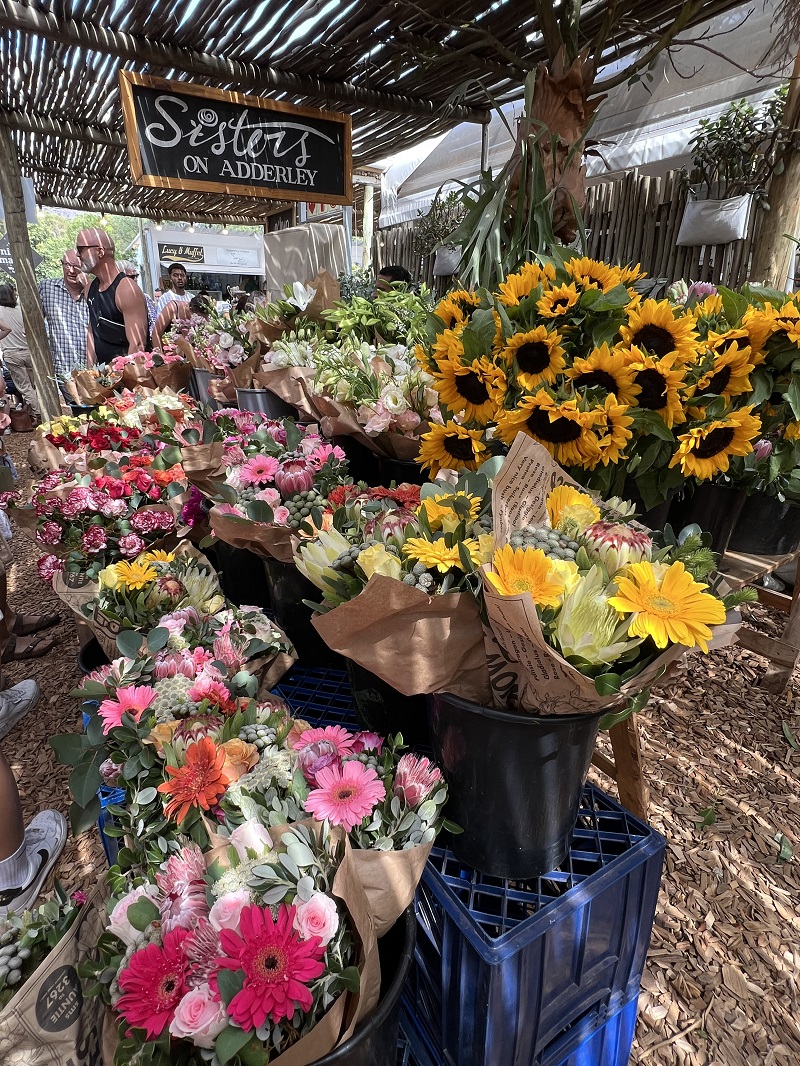
OZCF market is a popular farmers market located next to the V&A. This market is held every Saturday (8.15am-2pm) and Sunday (9am-2pm), and is free of charge to enter.
There are many stalls selling locally grown produce, including fresh fruits and vegetables, organic meats, cheeses, breads and pastries, all of which are beautifully displayed. There is also a wide variety of hot food for sale at the rear of the market, with a large seating area.
This is the biggest and best food market in Cape Town and a must visit for any foodies! The market gets incredibly busy, so we recommend going early.
Other Guided Tours
If you’d like to go beyond the main sights, these guided tours are an easy way to see more of Cape Town and its surroundings:
Wine Tour: Paarl, Franschhoek & Stellenbosch (incl. 3 wineries) – Book here
Cape Town Wine Tour: Stellenbosch & Franschhoek with tastings & lunch – Book here
Cape Point and Boulders penguins full‑day tour – Book here
Cape of Good Hope and Boulders penguins day tour – Book here
Lion’s Head sunrise/sunset hike – Book here
Boulders penguins & Cape Point full‑day tour – Book here
Table Mountain, Penguins & Cape Point Tour – Book here
Robben Island Ferry Ticket and Guided Prison Tour – Book here
Our Top Tips
❖ Irish Citizens who are planning to visit South Africa for less than 90 days, do not require a visa
❖ Summer (November to March) is the best time to visit Cape Town
❖ The currency is Rand (ZAR). Download a currency converter on your mobile
❖ Hire a car – it makes it so much easier to get around. We hired a car with Europcar, who were very efficient and reasonably priced. They have a pickup point at Cape Town International Airport. The whole process was very straight forward
❖ Be sure to have phones charged in advance of load shedding outages. A lot of establishments have generators, but some don’t, so be mindful of this
❖ If getting taxis, use Uber. Taxis are cheap and very readily available on this app
❖ If you plan on using a lot of data eg. google maps, we strongly recommend getting an eSIM, as data roaming charges are astronomical. We got an eSIM from a company called Airalo. This was really easy to set up and was reasonably priced. Purchase eSIM here.
❖ There is a high crime rate in Capetown, especially carjacking. Like visiting any major city, you need to have your wits about you. Don’t walk anywhere at night, take an Uber instead. Keep your valuables close to you. Be aware of your surroundings. Avoid the township areas
❖ Cape Town can be very windy, so be sure to pack some layers
❖ Although parking is free most places, there are parking attendants who will help you find parking. We usually tipped them R10.