There are cities you visit and cities you return to – Dublin is unmistakably the latter. It has a character that can’t be manufactured: centuries of history etched into its streets, a pub culture that feels genuinely communal, and a warmth in its people that makes even a first visit feel familiar. From its Georgian architecture and the River Liffey to its literary heritage and the coastal villages just a short train ride from the centre, Dublin is layered with detail, story, and atmosphere.
As someone who lives here, I’ve spent years exploring every corner of the city, and this guide is built on that experience to help you make the most of Dublin’s very best.
Explore Trinity College & The Book of Kells
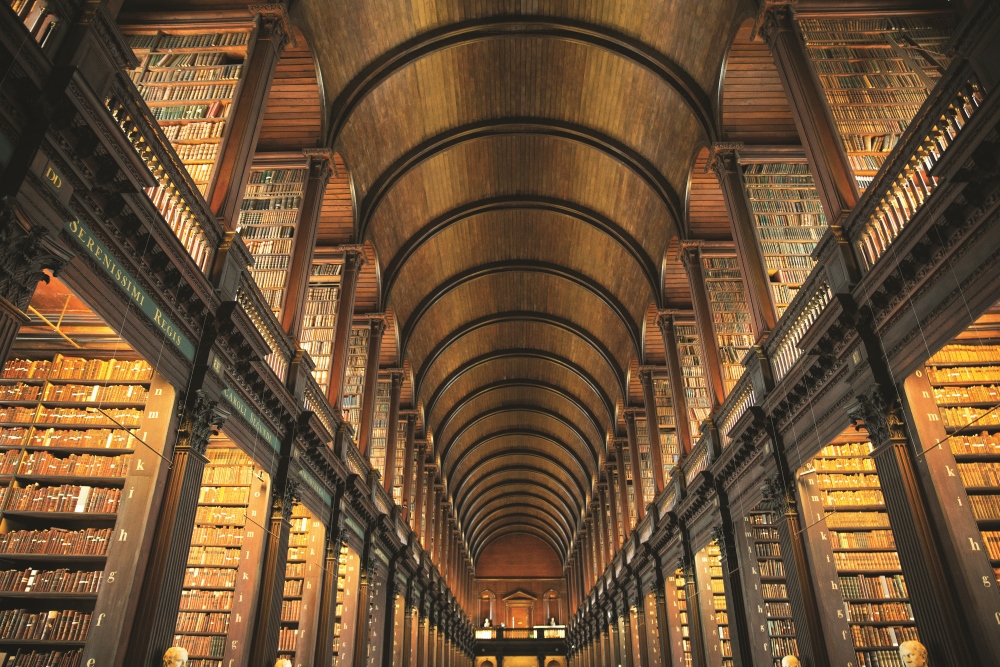
Stepping onto the cobbled campus of Trinity College Dublin feels like stepping back in time. Founded in 1592, Trinity is the alma mater of literary giants such as Oscar Wilde and Samuel Beckett. The main highlight is the Old Library’s Long Room, a barrel-vaulted hall housing over 200,000 of the university’s oldest books. The Room is also home to the Book of Kells, a globally renowned 9th-century illuminated manuscript containing the four Gospels of the New Testament – one of Ireland’s most treasured cultural artefacts.
Visit Dublin Castle
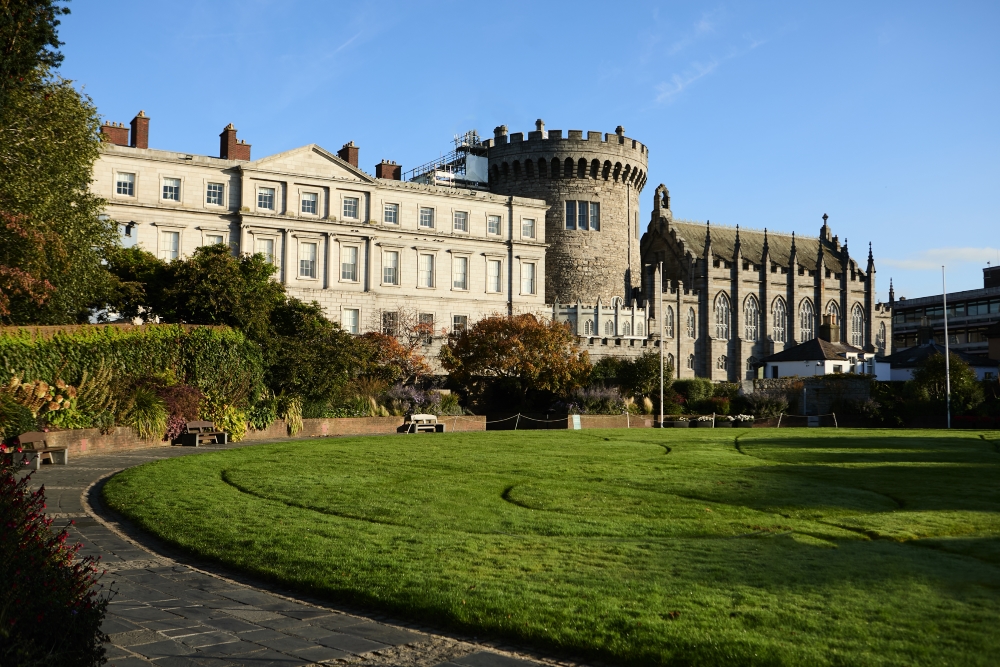
Dublin Castle sits at the heart of the old city and for centuries served as the seat of British rule in Ireland. Built in the early 13th century on the site of a Viking fortress, it remained the centre of Irish administration until independence in 1922. Today it is open to the public and houses the State Apartments, the medieval Record Tower, and the Chester Beatty Library, which holds one of the world’s finest collections of illustrated manuscripts and rare books.
Book a combined Trinity College, Book of Kells, Dublin Castle, and Molly Malone Statue tour here.
Tour the Guinness Storehouse
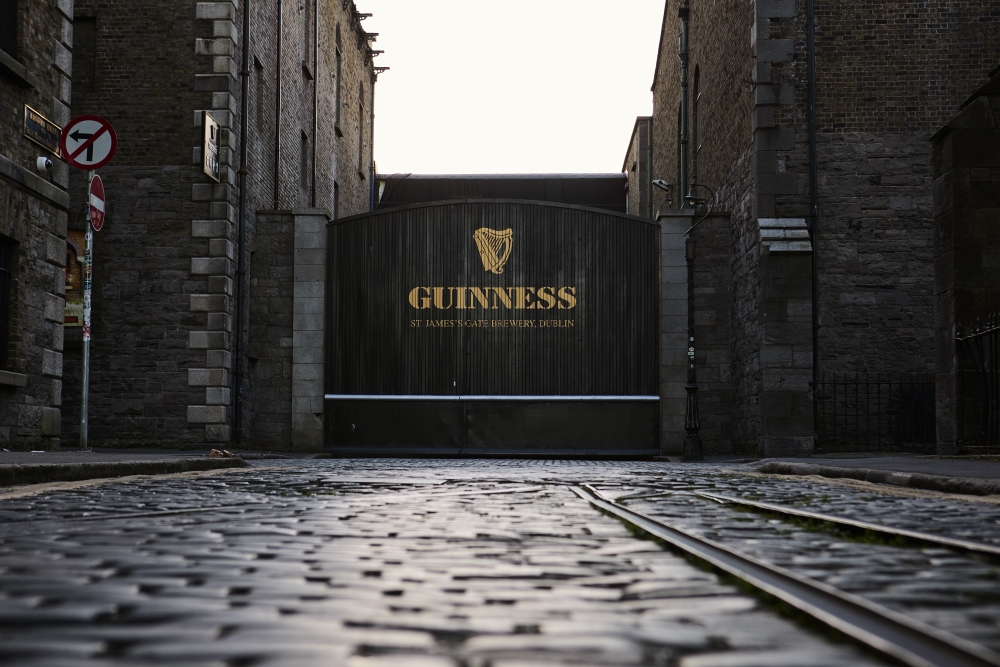
You can’t visit Dublin without experiencing its most famous export. The Guinness Storehouse, located at St James’s Gate, is a seven-story interactive museum designed in the shape of a giant pint glass. The self-guided tour takes you through the history of the brewing process, the core ingredients, and the legendary advertising campaigns that made Guinness a global brand. The experience concludes at the rooftop Gravity Bar, where you can enjoy a freshly poured pint of Guinness – complimentary with your ticket – while taking in 360-degree views of the Dublin skyline. Book tickets here.
Step Back in History at Kilmainham Gaol
Kilmainham Gaol is a former prison that held many of Ireland’s most famous political leaders, revolutionaries, and ordinary citizens from 1796 until its closure in 1924. It is most famous for housing the leaders of the 1916 Easter Rising before their execution. The guided tours offer a clear, moving account of the struggle for Irish independence and the harsh conditions inside the prison. Book tickets in advance, as they sell out quickly.
Experience the Energy of Temple Bar
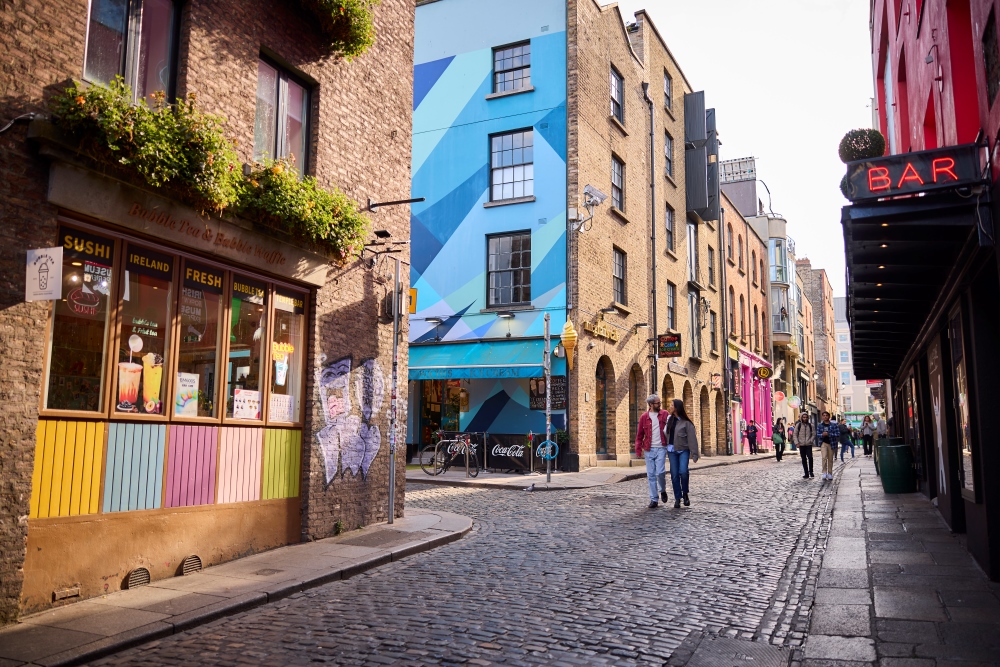
Temple Bar is Dublin’s famous cultural and nightlife quarter, characterized by narrow cobblestone streets, vibrant street art, and buskers. It is the epicentre of the city’s pub scene. While it is highly touristy, popping into a pub to hear a lively session of traditional Irish music is a must.
Stroll and Shop Along Grafton Street
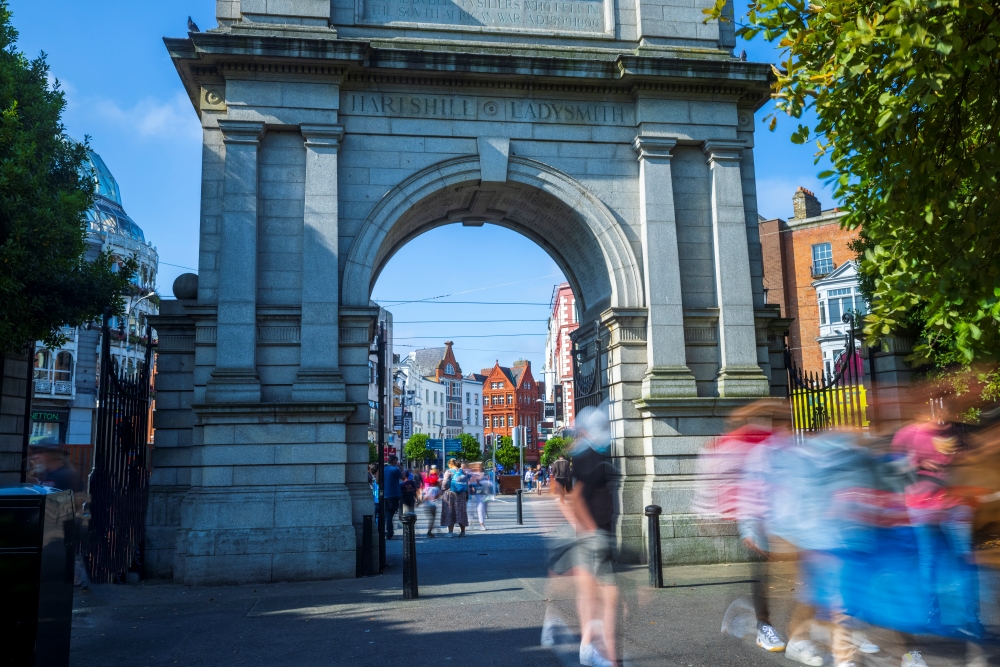
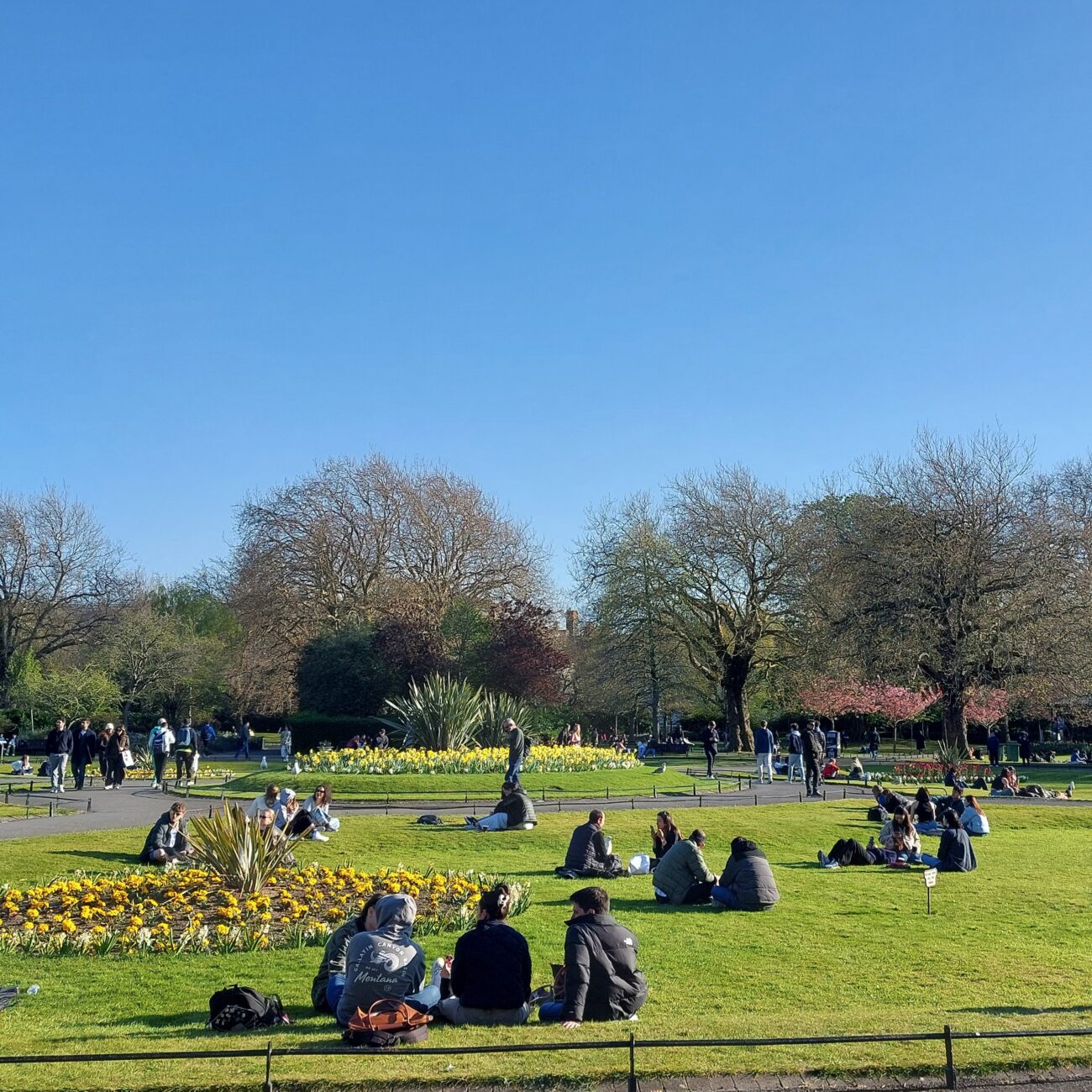
Grafton Street is Dublin’s main pedestrian shopping street, running from College Green up to St. Stephen’s Green. At the bottom end sits Brown Thomas, Ireland’s premier luxury department store. The street is lined with a mix of independent boutiques, international retailers, cafés, and street musicians. At the top, St Stephen’s Green offers a refined Victorian park – perfect for a pause between sights.
Walk or Cycle in Phoenix Park
Spanning over 700 hectares, Phoenix Park is one of the largest enclosed urban parks in Europe. It is home to a herd of wild fallow deer, beautiful tree-lined avenues, the official residence of the Irish President (Áras an Uachtaráin), and the historic Dublin Zoo. It’s an excellent spot for a long walk, a cycle, or a quiet pause away from the city centre.
Visit St. Patrick’s Cathedral
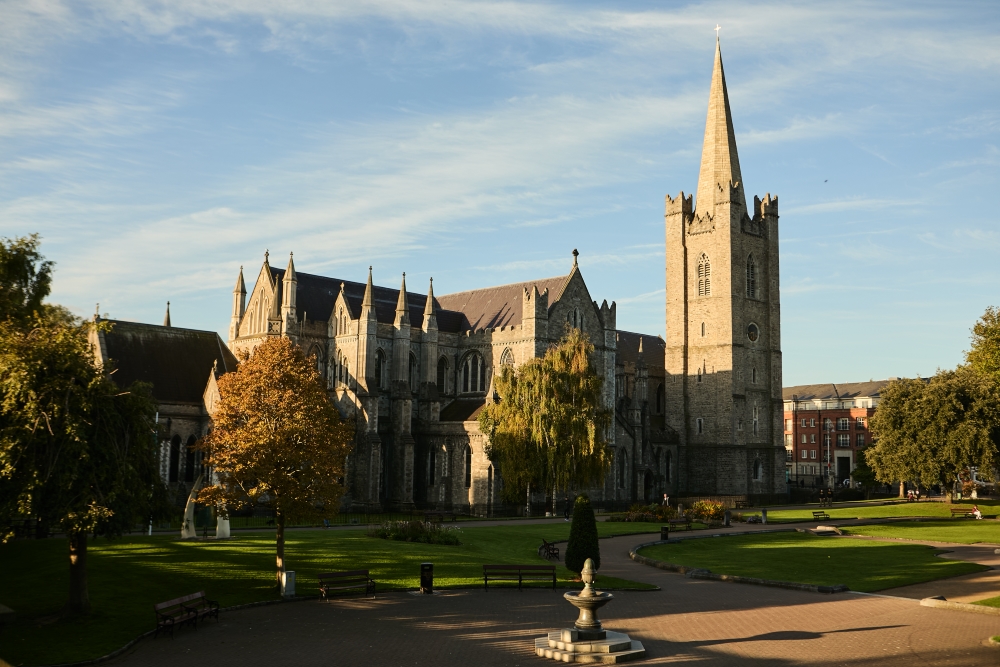
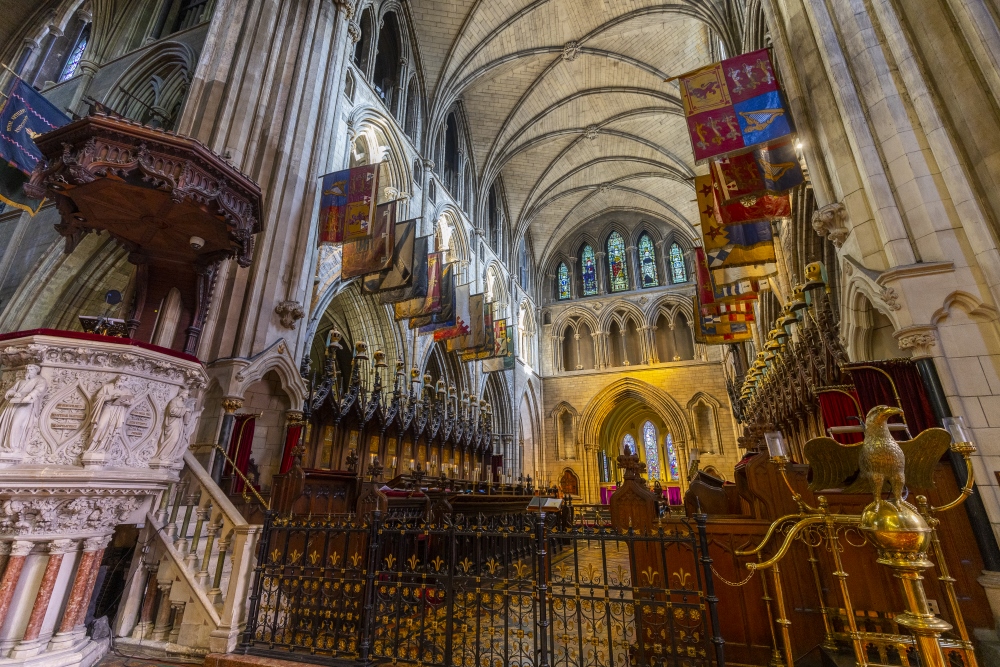
Built in honour of Ireland’s patron saint next to the well where he allegedly baptised converts, St. Patrick’s Cathedral is the national cathedral of the Church of Ireland. Dating back to 1220, it is a striking example of Gothic architecture, with soaring stone arches, intricate tile work, and beautiful stained-glass windows. The cathedral is also the final resting place of Jonathan Swift, the author of Gulliver’s Travels, who served as its dean in the 1700s.
Discover the National Gallery of Ireland
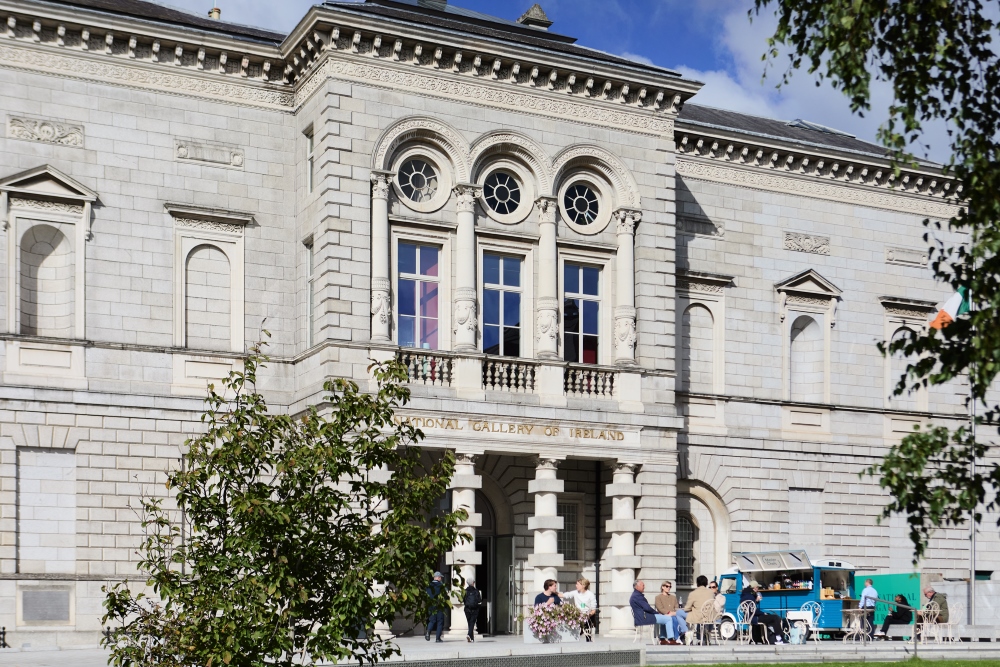
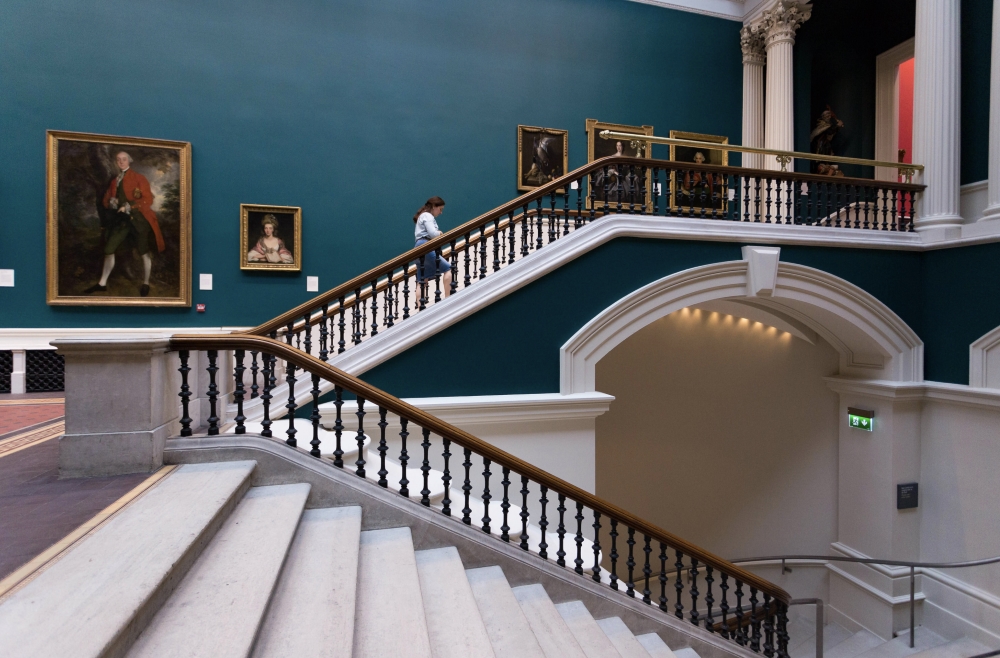
Located on the historic Merrion Square, the National Gallery of Ireland houses Ireland’s magnificent national collection of Irish and European art. The collection spans from the 14th century to the present day and includes works by masters such as Caravaggio, Vermeer, Rembrandt, Monet, and the renowned Irish painter Jack B. Yeats. The building itself is striking, blending historic 19th-century wings with bold modern architecture. Permanent exhibitions are completely free to enter; tickets are required for some temporary exhibitions.
Walk across The Ha’penny Bridge
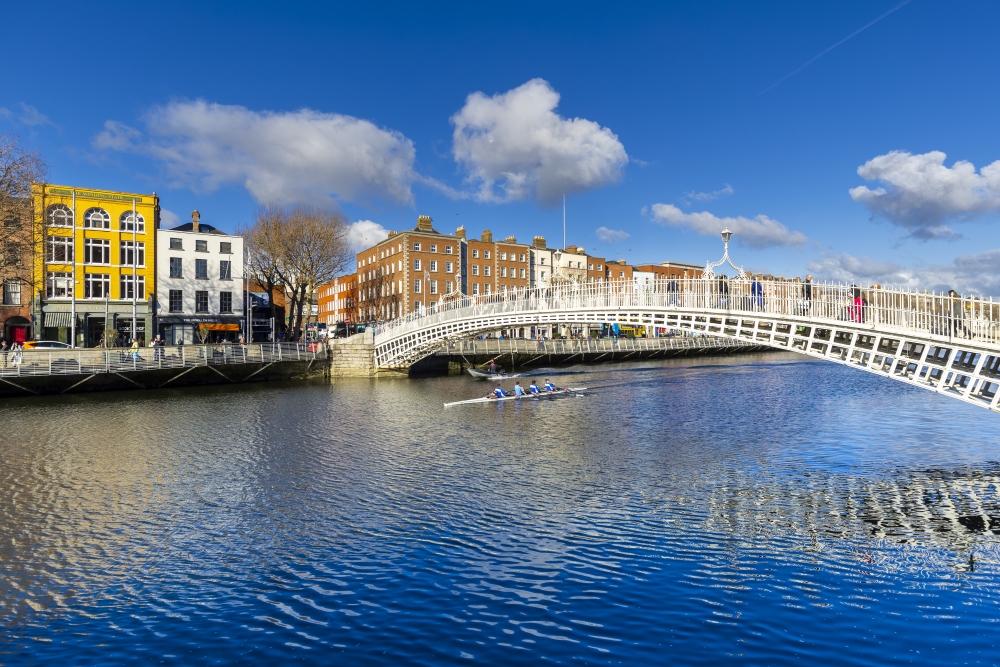
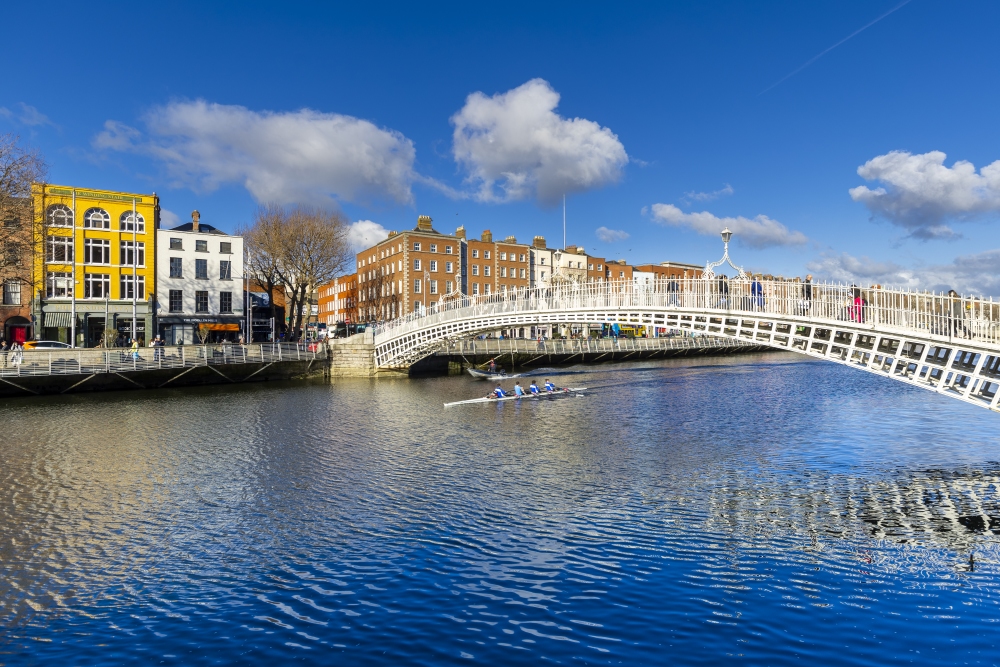
The Ha’penny Bridge is one of Dublin’s most iconic landmarks. Built in 1816, this cast-iron pedestrian bridge spans the River Liffey, connecting the northside to the Temple Bar district. Its name comes from the half-penny toll that was once charged to cross it.
Tour Jameson Distillery Bow St.
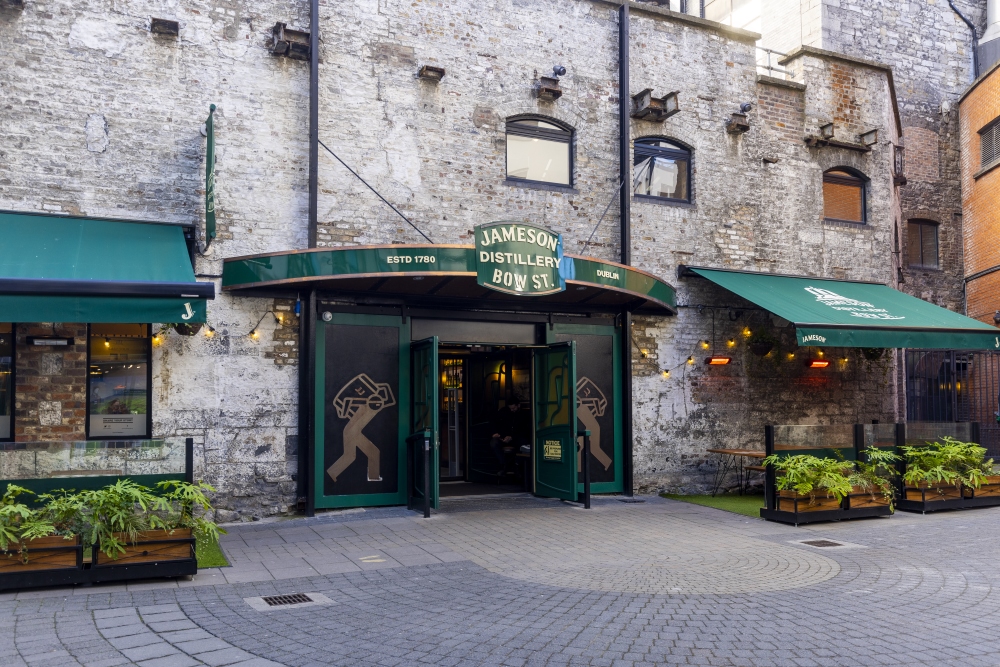
Located in Smithfield, the Jameson Distillery offers guided tours and tastings that explore the history of one of Ireland’s most famous whiskey brands. Book ahead, especially in summer.
Book a Jameson Distillery Tour and Tasting here.
Visit the GPO (General Post Office)
The General Post Office on O’Connell Street is one of the most important sites in Irish history. It served as the headquarters of the 1916 Easter Rising, when Patrick Pearse read the Proclamation of Independence from its steps. Bullet marks still visible on the façade recall the fighting that followed. Today it remains a working post office, with a small on-site museum that tells the story of the Rising.
Indulge in Afternoon Tea
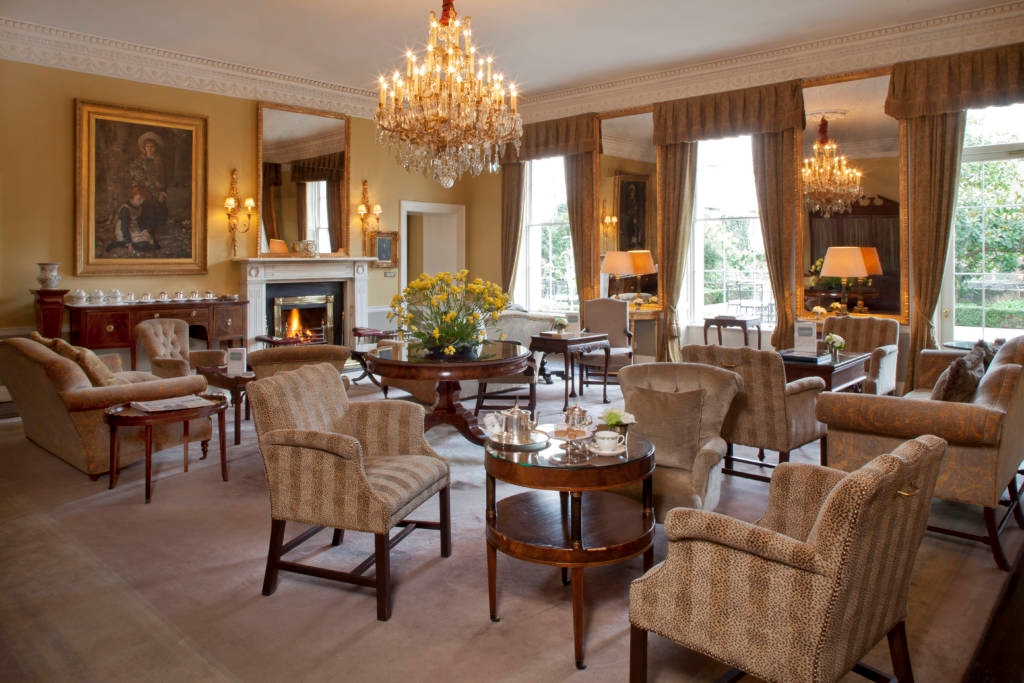
Dublin’s most memorable afternoon teas are at The Merrion and The Shelbourne, and both are worth the splurge. The Merrion’s “Art Tea” is served in the Georgian Drawing Rooms and takes inspiration from the hotel’s art collection, with pastries and desserts modelled on works by Irish artists such as J.B. Yeats and Louis le Brocquy. Art Tea is served at set sittings during the day, with a price premium if you add champagne. Read our review here.
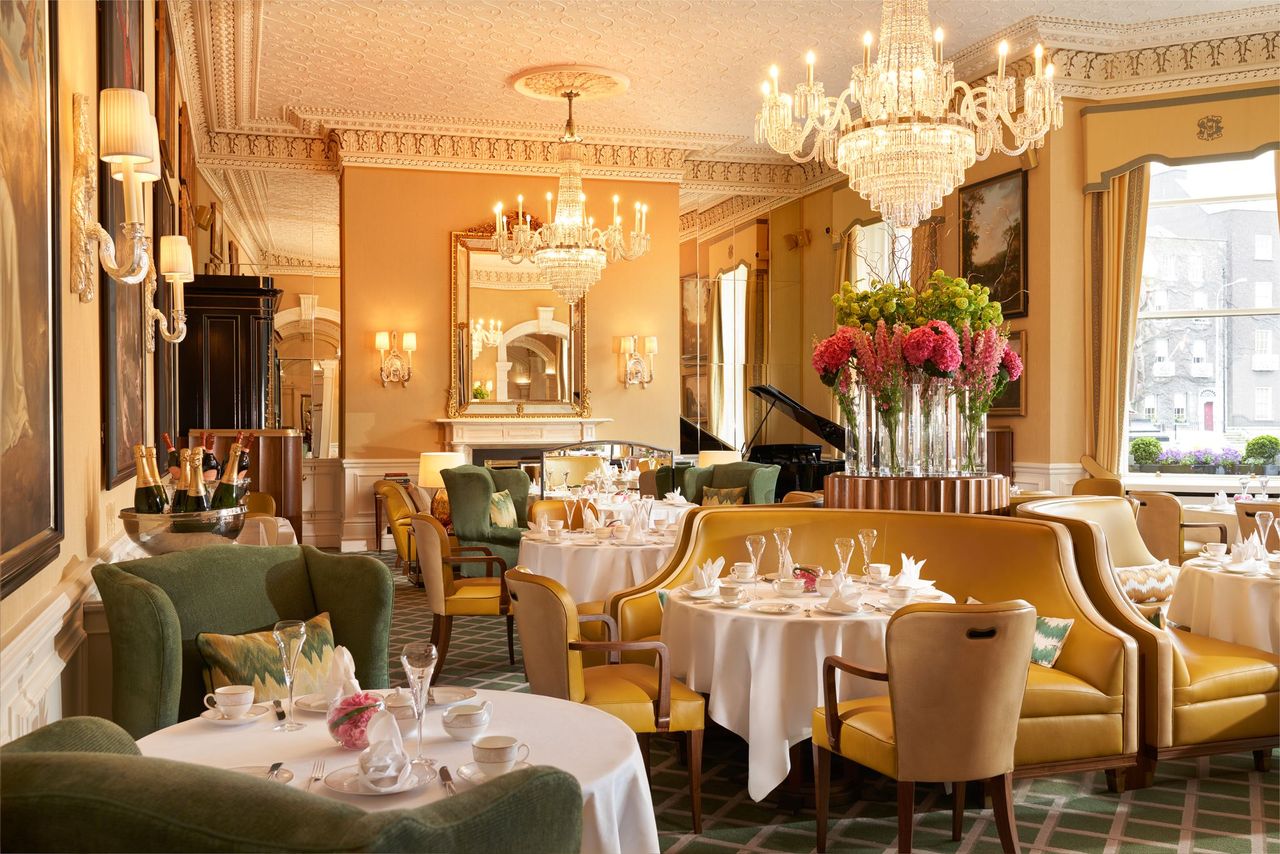
The Shelbourne’s afternoon tea in the Lord Mayor’s Lounge combines grand chandeliers, old‑world charm, and a classic tiered stand of sandwiches, scones, and pastries. It is offered in several sittings daily, with a standard price and a higher champagne option. Read our review here.
Reservations are strongly recommended for both hotels, especially at weekends and around holidays.
Other Guided Tours
If you’d like to go beyond the main sights, these guided tours are an easy way to see more of Dublin and its surroundings:
Dublin Highlights and Hidden Gems Guided Walking Tour https://viator.tpx.li/G1Y7laqA
Dublin to Glendalough, Wicklow and Kilkenny Full Day Guided Tour https://viator.tpx.li/o3BFkAwd
Dublin Historical Centre Food Tour with Tastings & Drinks https://viator.tpx.li/ECh7cqPy
Day Trips
Dún Laoghaire
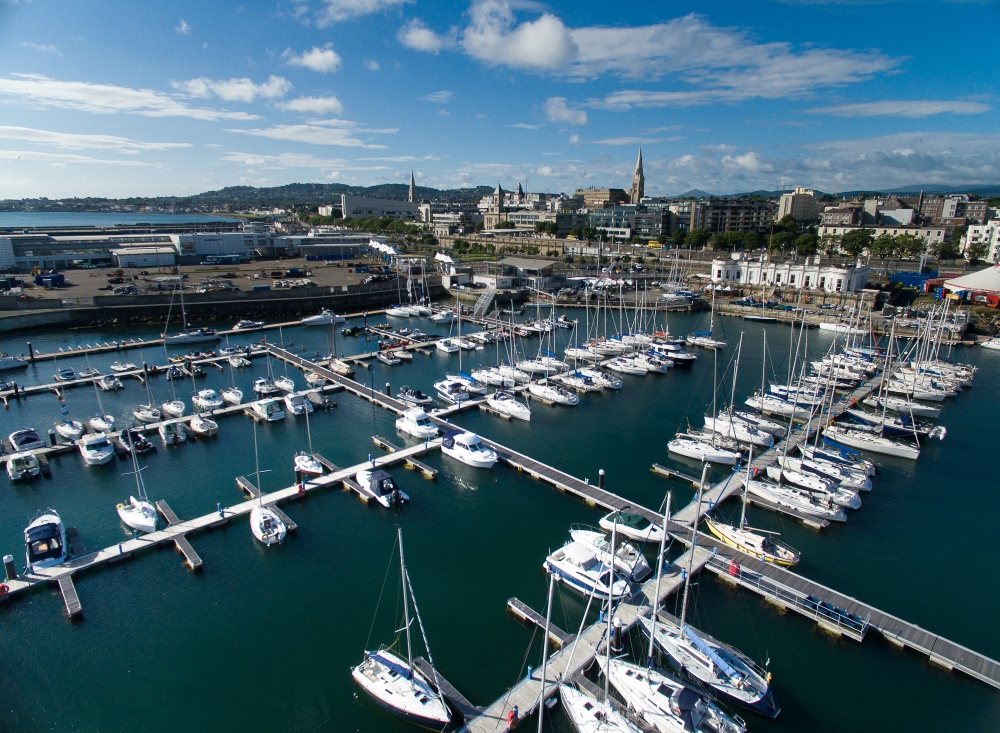
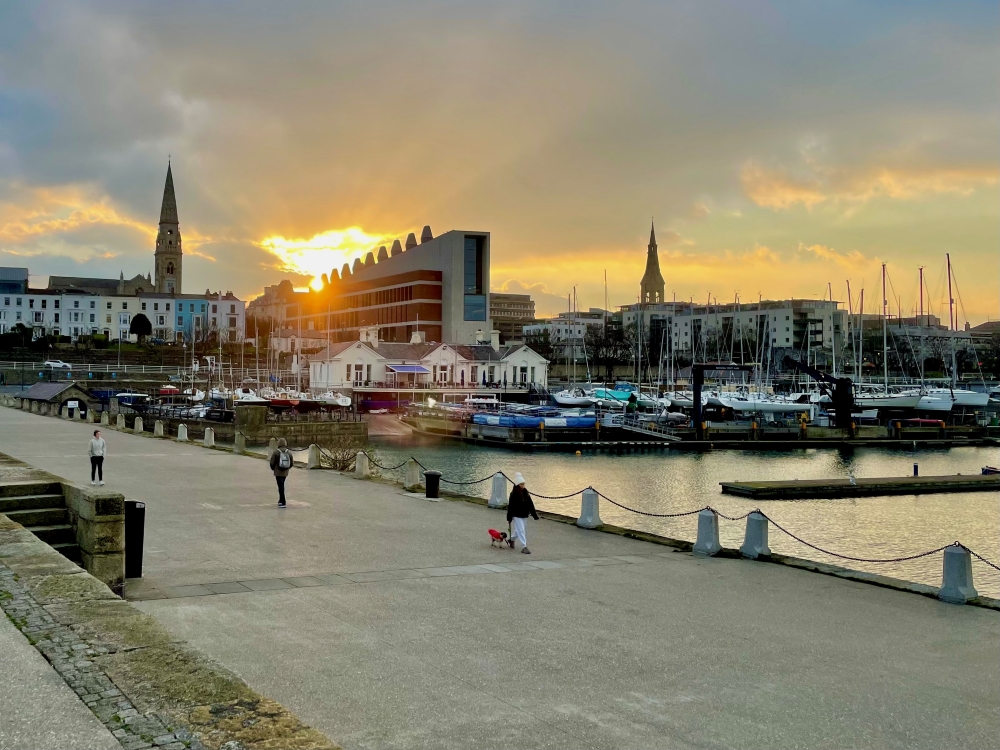
Take the DART south to the coastal town of Dún Laoghaire for a classic half-day escape from the city. Walk the East Pier for wide harbour and bay views (it’s about a kilometre each way), with a stop for a Teddy’s ice cream at the end. On warmer days you can also stop at the restored sea baths for a dip, and if you’re there on a Sunday, the People’s Park farmers’ market is a lively spot for coffee, food stalls, and local produce.
The James Joyce Tower in nearby Sandycove makes a worthwhile detour for both the views and the literary history.
For food, Hartley’s has the prime harbourfront setting with outdoor seating and sea views, while Oliveto at Haddington House is a reliable neighbourhood Italian with a relaxed dining room overlooking the water.
Dalkey
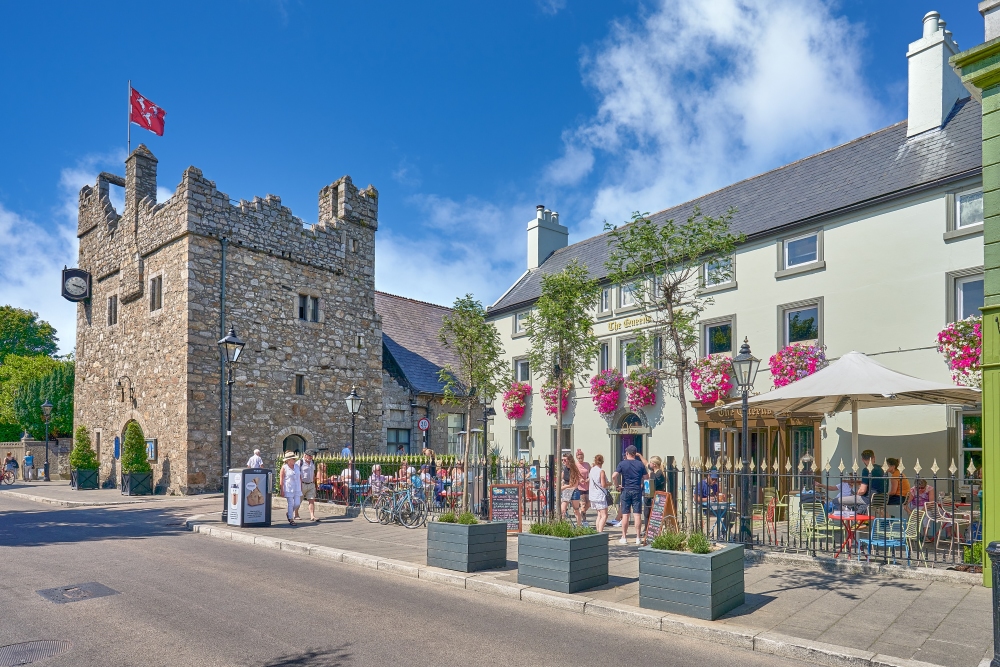
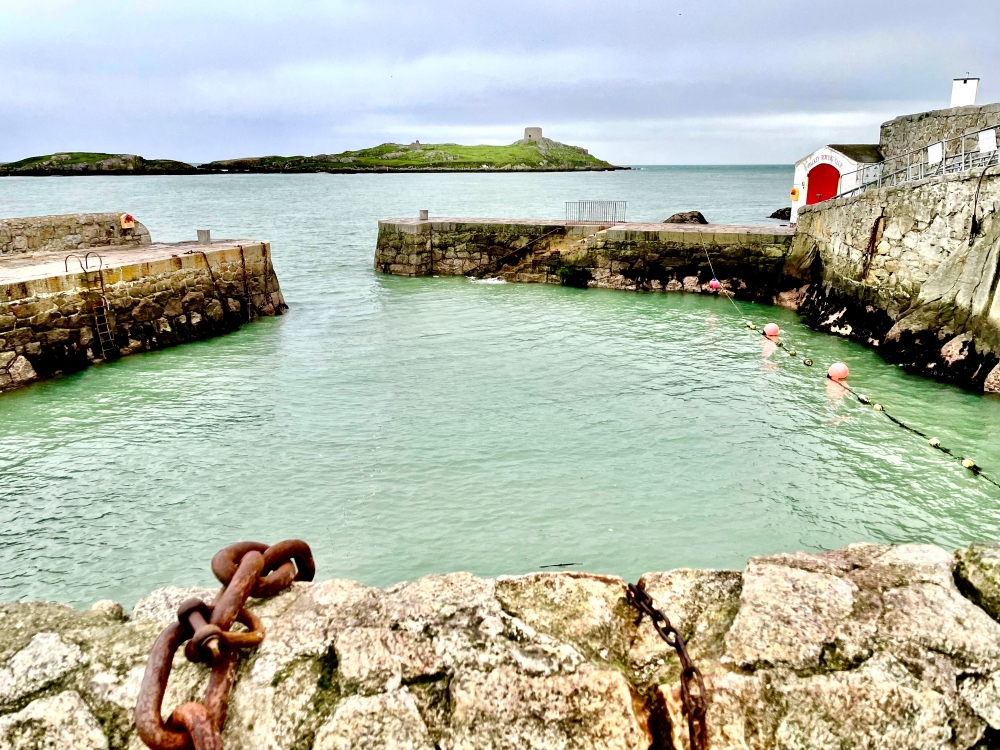
A short hop further along the coast from Dún Laoghaire, Dalkey is a pretty coastal village with a heritage feel, medieval castles on the main street, and Dalkey Island just offshore, reachable by boat from Coliemore Harbour. The village has an excellent selection of pubs and restaurants; DeVille’s on Castle Street is the pick for a proper sit-down meal, a classic French-style bistro known for oysters, pan-fried Dover sole, and dry-aged steaks.
Howth
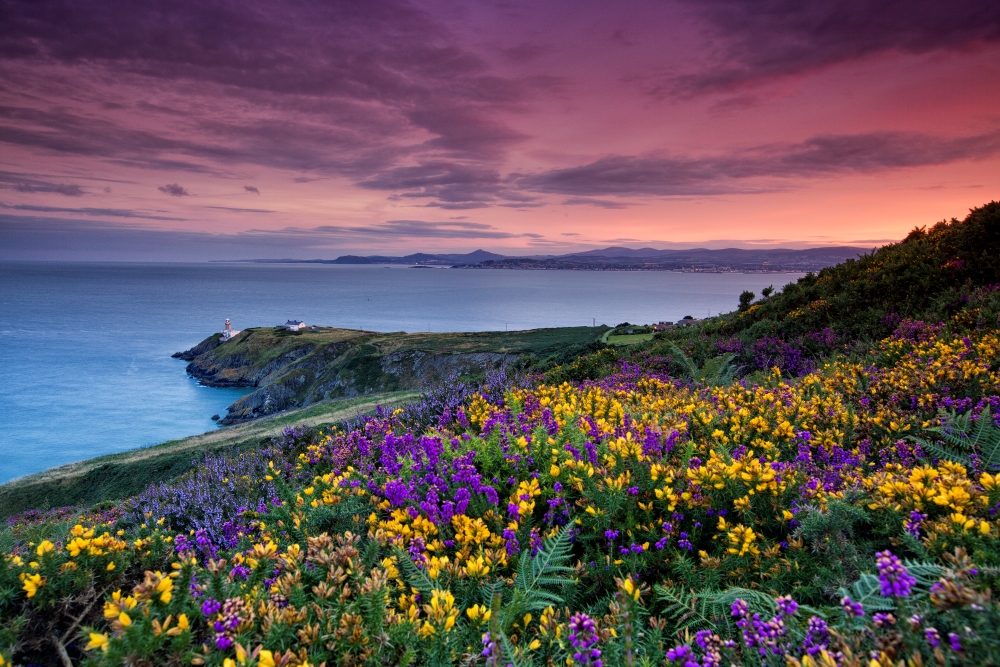
Head north on the DART to Howth for sea air, a cliff walk, and some of the best seafood around Dublin. The cliff loop takes around two hours at a relaxed pace and offers wide views back over Dublin Bay.
For food, King Sitric is the classic choice for lobster, crab, and Dublin Bay prawns, with a long-standing reputation for excellent local seafood. Mamó, on the harbour front, is a modern bistro, with seasonal Irish ingredients at the heart of the menu, carefully cooked and worth booking ahead for.
Where To Eat
Dublin’s restaurant scene has improved enormously in recent years, with excellent options across different styles and budgets.
Rosa Madre is a much-loved Italian seafood spot in Temple Bar (read our review here). Pearl Brasserie offers refined, French-influenced cooking in an elegant basement setting just off Merrion Street.
For a great steak, FX Buckley on Crow Street in Temple Bar and Hawksmoor on College Green are the standout choices, both specialising in top-quality Irish beef. Uno Mas is a lively Spanish restaurant on Aungier Street, focused on inventive tapas and a strong wine list. Mister S, on Camden Street, is a live‑fire restaurant specialising in wood‑ and charcoal‑grilled Irish meat and fish.
For a special occasion, Restaurant Patrick Guilbaud (two Michelin stars, beside The Merrion Hotel) and Chapter One (two Michelin stars, on Parnell Square) are considered among the best restaurants in the country.
Dublin’s Best Pubs
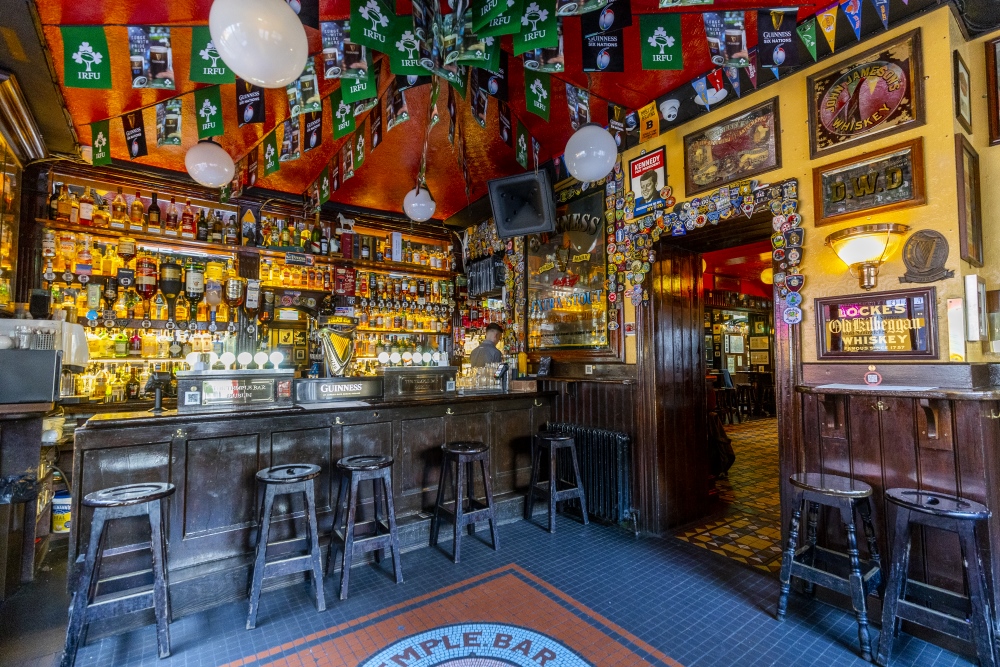
Dublin has no shortage of great pubs, each with its own character. The Temple Bar is the city’s most famous and touristy spot, but it’s still worth a visit for the atmosphere and live music. Kehoe’s is a beautifully preserved Victorian pub with snugs, a traditional feel, and a relaxed pace.
Doheny & Nesbitt is a favourite with politicians, journalists, and anyone after a reliable pint in a refined setting. O’Donoghue’s on Merrion Row is closely tied to Irish music history, with The Dubliners having started out there and traditional sessions still taking place regularly. The Cobblestone in Smithfield is the standout choice for authentic trad music. Toner’s is one of the city’s oldest pubs and is said to be the only pub W.B. Yeats ever visited. Grogan’s is a laid-back local favourite, known for its artwork-covered walls and unfussy charm.
Where To Stay
The Merrion Hotel
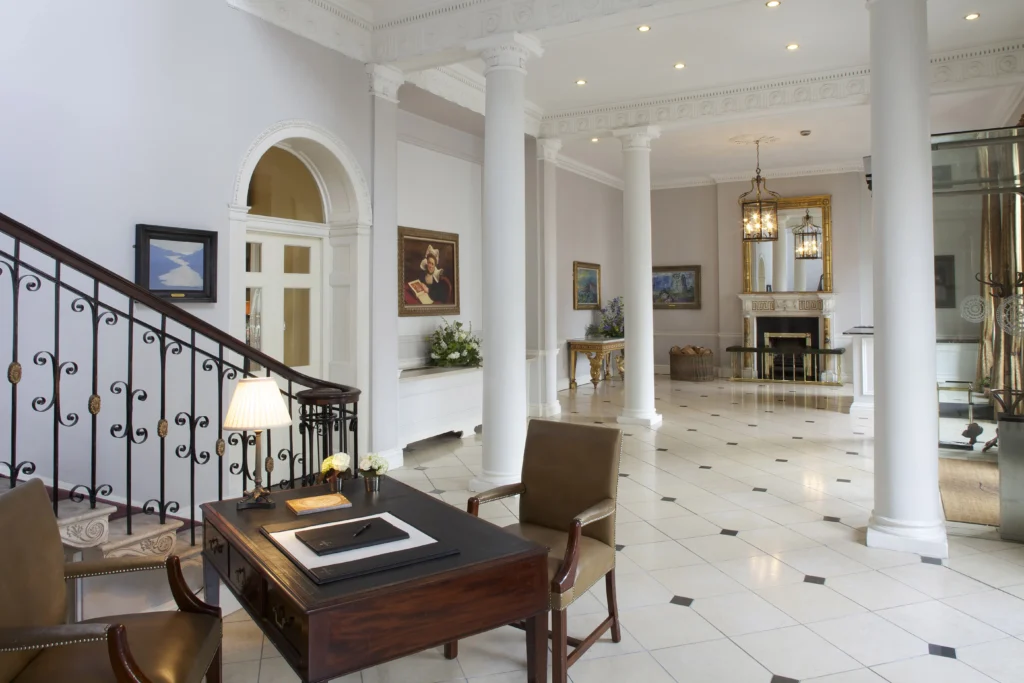
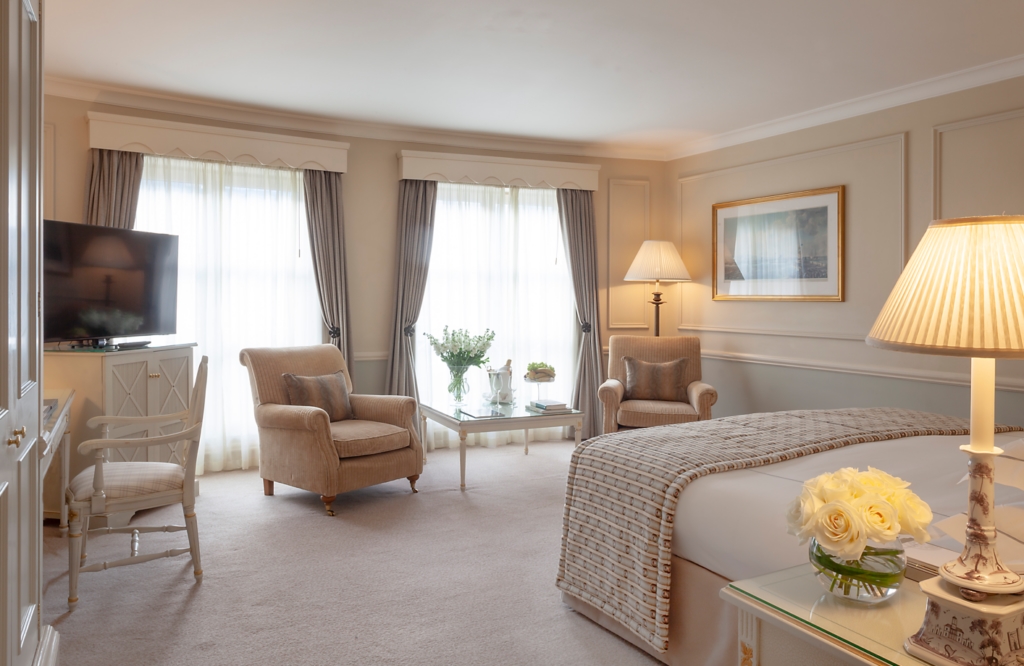
The Merrion occupies four exquisite 18th‑century Georgian townhouses on Merrion Square and is widely regarded as Dublin’s finest hotel. It combines the intimacy of a country‑house retreat with a prime city‑centre address, offering refined Georgian interiors, Italian marble bathrooms, a two‑Michelin‑starred restaurant, a spa, and an indoor pool.
The Merrion is best suited to travellers who prioritise top‑tier service, beautifully considered design, and attention to detail in every part of the guest experience.
Check availability, view rates and book your stay here.
For more information, visit https://www.merrionhotel.com/.
The Westbury Hotel
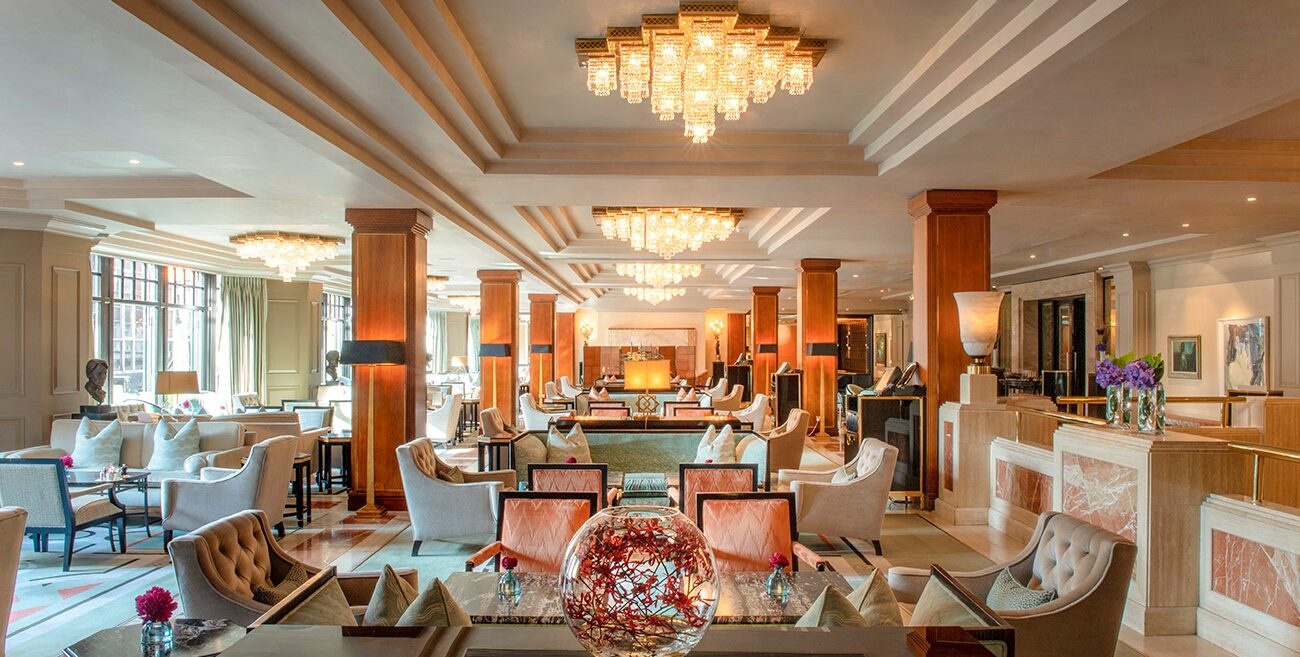
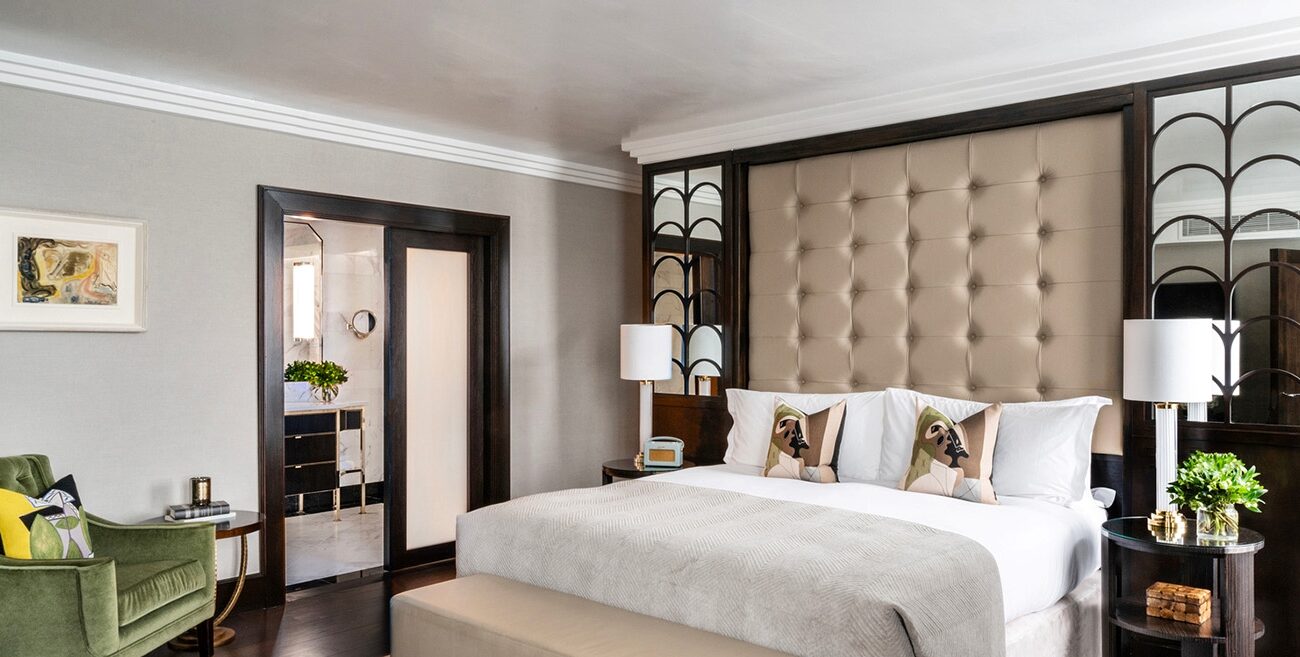
The Westbury commands one of Dublin’s most coveted addresses just off Grafton Street, in the heart of the city’s main shopping and dining district. A stylish five‑star property, it delivers a contemporary luxury experience with spacious rooms and suites. The hotel’s ground‑floor café and bar provide an elegant base for daytime coffee, afternoon cocktails, and evening drinks between shops and restaurants. It is the natural choice if you want to be at the centre of Dublin’s retail and restaurant scene while enjoying a polished, modern aesthetic.
Check availability, view rates and book your stay here.
For more information, visit https://www.doylecollection.com/hotels/the-westbury-hotel.
Getting Around
Dublin is compact and largely walkable, especially if you’re staying near St Stephen’s Green and Grafton Street, where you can reach most central sights, restaurants, and pubs on foot. From the airport, taxis wait directly outside the terminal, and the Aircoach runs frequent services into the city centre.
For getting around, a Leap Card is the cheapest and simplest option, working across Dublin Bus, Luas, and DART and available from most newsagents. Dublin Bus has the broadest coverage across the city and suburbs, with some routes running 24 hours, while the two Luas tram lines are modern and efficient for crossing the city, and the DART is best for coastal trips to Howth, Dún Laoghaire, and Dalkey.
Taxis are plentiful in the centre, can be hailed on the street, and are especially useful late at night; Uber and Free Now are the main apps for booking. Dublin is also fairly flat and increasingly bike‑friendly, with cycle lanes and bike parking in much of the city centre.